
Here are the main things to remember about making a great virtual assistant portfolio. These points will help you get started and make sure you don’t miss anything important.
So, why bother with a portfolio in the first place? We often think of portfolios for designers or writers, but for us virtual assistants, it’s just as important, if not more so. It’s our way of showing potential clients what we can do, beyond just listing skills on a resume. Think of it as your digital storefront, a place where you can really shine.
This is where you get to highlight what makes you, you. We all have different backgrounds and experiences, and your portfolio is the perfect spot to show that off. It’s not just about saying you’re good at social media management; it’s about showing examples of campaigns you’ve run, the results you got, and how you approach things differently. We want clients to see our specific talents and how they can benefit their business. You can find some really cool ideas for how to present your skills on platforms like Dribbble.
Talk is cheap, right? Clients want proof that you can actually do what you say you can. Your portfolio is your evidence locker. We need to show them concrete examples of projects we’ve completed and the positive outcomes. This could be anything from increasing a client’s email list by a certain percentage to streamlining their scheduling process so they save hours each week. Numbers and real-world results speak volumes.
When someone is looking to hire a virtual assistant, they’re inviting you into their business, often with access to sensitive information. They need to feel comfortable and confident in your abilities. A well-put-together portfolio acts as a trust-builder. It shows you’re professional, organized, and serious about your work. It’s like a handshake and a firm nod, assuring them they’re making a good choice. It helps them see you as a reliable partner, not just another freelancer. For instance, if you’re discussing how you manage energy efficiency for clients, you might draw parallels to smart energy management systems like Fox ESS PowerQ.
A strong portfolio doesn’t just list services; it tells a story about your capabilities and the value you bring. It’s about making it easy for clients to envision you solving their problems.
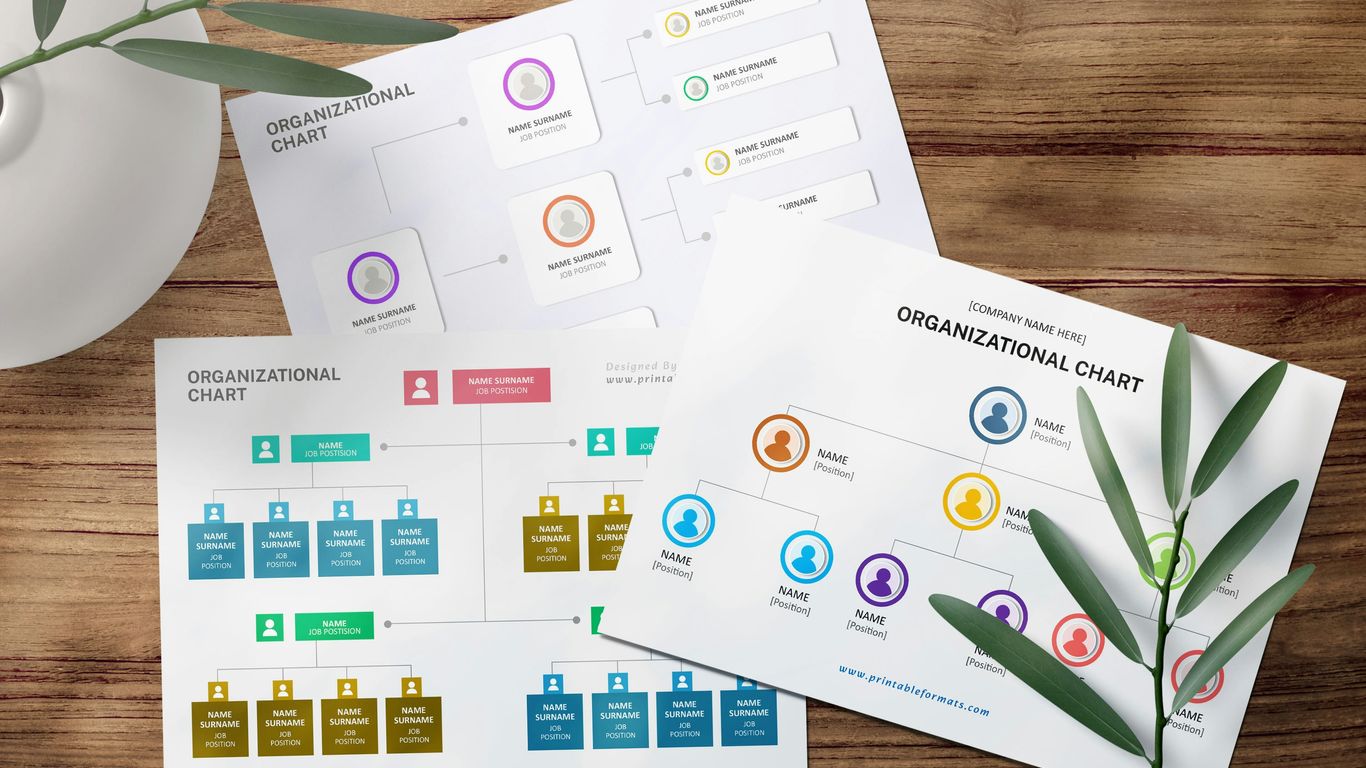
So, you’re building your virtual assistant portfolio. That’s smart! It’s like your professional storefront, showing people what you do and why they should hire you. We need to make sure it has all the right bits and pieces to really grab attention. Think of it as your highlight reel, but for your work life.
This is where you introduce yourself. Keep it short and sweet, but make it count. What’s your main thing? What kind of clients do you love working with? We also need to make it super easy for people to get in touch. That means your name, email, phone number (if you’re comfy with that), and maybe a link to your LinkedIn profile or website. No one wants to hunt around for how to contact you.
What exactly do you do? List out your services clearly. Are you a whiz at social media management? Do you handle all things email? Maybe you’re great with scheduling and travel arrangements. Be specific! If you have a particular niche, like helping coaches or real estate agents, definitely mention that. It helps the right clients find you. We can even break this down:
This is where you let your happy clients do the talking. Real feedback from real people is gold. If you have testimonials, put them front and center. Even better are case studies. These are like mini-stories about a project you did. What was the problem? What did you do? What was the awesome result? This shows potential clients you can actually solve their problems. For example, we could show how we helped a small business owner save 10 hours a week by taking over their inbox. It’s all about showing proof of your skills, which is a big part of how to become a virtual assistant.
People want to see that you’ve done this before and that you get results. Don’t be shy about asking clients for a quick quote or if you can share a success story. Most are happy to do it if you did a good job for them.
So, you’ve decided to create a virtual assistant portfolio, which is a smart move. But where do you even start? That’s where a sample PDF comes in handy. Think of it as a blueprint, a way to see what works before you build your own.
Looking at a sample can really spark ideas. You might see a layout you like, a way of presenting information that clicks, or even just get a feel for the overall tone you want to strike. It’s like looking at other people’s homes for interior design inspiration; you don’t copy them, but you get a sense of what appeals to you. We found some great free graphic resources that can help with the visual side of things, like vectors and stock photos.
A sample PDF shows you the typical sections people include. You’ll see how they introduce themselves, list their services, and display their past work. This gives you a solid framework to build upon. It helps you understand what clients expect to see and how to organize your own information logically. We’ve seen samples that really break down the client journey, showing how a VA can step in and make a difference.
While samples are great, remember they’re just starting points. You need to make it your own. If you specialize in social media management, your sample should reflect that. If you’re all about administrative tasks, show that off. The key is to take the general structure and fill it with your specific skills and experiences. It’s about showing how you fit into your chosen field, not just copying what someone else did. For instance, if you’re aiming for a role that involves digital marketing, understanding how to showcase campaign results is important, and some training programs focus on building that practical experience, giving you a tangible portfolio to show real-world ROI.
A good portfolio sample isn’t just about listing tasks; it’s about telling a story of how you solve problems for clients and deliver results. It should feel personal and professional at the same time.
Here’s a quick look at what you might find in a well-structured sample:
By studying these samples, we can get a clearer picture of what makes a virtual assistant portfolio effective and how to tailor it to our unique business.
So, you’re putting together your virtual assistant portfolio. That’s smart! It’s like your professional storefront, showing people what you do and why they should hire you. We need to make sure it has all the right bits and pieces. Think of it as telling your professional story, but with proof.
This is where you introduce yourself. Don’t just list your job history; tell us who you are. What’s your background? What got you into being a virtual assistant? What are you passionate about in your work? Keep it genuine and relatable. We want clients to feel like they know you a little bit before they even reach out. It helps build that initial connection.
Be super clear about what you actually do. List out all the services you offer. Are you great at social media management? Do you handle email inboxes like a pro? Maybe you’re a whiz with scheduling? Break it down. It’s also a good idea to give an idea of your pricing. You don’t have to list exact numbers if you prefer custom quotes, but giving package options or starting rates can really help potential clients understand if you’re a good fit for their budget. This is where you can find some great examples of VA websites to get ideas.
This is the meat of your portfolio. Show, don’t just tell. Include examples of projects you’ve worked on. For each project, explain what the client’s problem was, what you did to help, and what the outcome was. Use numbers whenever possible. Did you increase engagement by 20%? Did you save a client 5 hours a week? Quantifiable results are powerful. If you don’t have specific numbers, describe the positive impact you made. This section is where you really demonstrate your value.
We need to make sure this section is easy to read and understand. Clients are busy, and they want to quickly see if you can solve their problems. Use clear headings for each project and keep descriptions concise but informative. Showing your past successes is the best way to build confidence in your abilities.
Here’s a simple way to structure your project examples:
This structured approach makes it easy for potential clients to scan and find information relevant to their own business needs. It’s all about making it easy for them to say ‘yes’ to hiring you. You can find a helpful template that guides you through these sections.
So, you’ve got your services lined up and you’re ready to show the world what you can do. That’s great! But how do you make sure your portfolio actually grabs attention and makes people want to hire you? It’s not just about listing what you’ve done; it’s about showing how well you’ve done it and why it matters to potential clients. We want to make sure your portfolio stands out, not just blend in.
Anyone can say they’re good at something. But showing proof? That’s a whole different ballgame. Instead of just saying you managed social media, tell them you grew an account by 50% in three months. Numbers talk. They show real results and give clients a clear picture of the impact you can make. Think about it: would you rather hire someone who says they ‘helped with email marketing’ or someone who says they ‘increased email open rates by 25% and boosted click-throughs by 15%’?
Here’s a quick way to think about it:
This kind of detail is what makes a difference. It shows you understand business goals and can contribute directly to them. For more ideas on how to present your work, check out virtual assistant portfolio samples.
Think about who you really want to work with. Are they small business owners, busy entrepreneurs, or maybe coaches? Your portfolio should speak directly to them. If you’re aiming for clients in the tech industry, use examples and language that fit that world. If you want to work with artists, make sure your portfolio has a creative flair. It’s all about making them feel like you understand their specific needs.
Consider this:
This focused approach helps potential clients see themselves working with you. It shows you’re not just a general VA, but someone who gets their particular challenges.
First impressions matter, right? Your portfolio is often the first thing a potential client sees. A messy, disorganized, or outdated design can make you look unprofessional, even if your skills are top-notch. We want a look that’s easy on the eyes and simple to navigate. Think clean layouts, clear headings, and consistent formatting. It shouldn’t be a struggle for someone to find the information they need.
A well-organized portfolio reflects your ability to manage tasks efficiently. If your own presentation is chaotic, it raises questions about how you’d handle a client’s business. Keep it simple, clear, and easy to follow.
Using a template can be a lifesaver here. It gives you a solid structure so you can focus on the content. You can find great VA portfolio templates that offer a professional starting point. Remember, the goal is to make it easy for clients to see your value and get in touch.
So, you’re ready to build your own virtual assistant portfolio, and you’re looking for a little help to get started. That’s totally understandable! Sometimes seeing a finished product is the best way to figure out what you want yours to look like. We’ve got a free sample PDF you can download, and it’s a great starting point.
Finding a good template can save you a ton of time. We’ve put together a sample PDF that you can grab right now. It’s designed to give you a clear idea of what a professional virtual assistant portfolio looks like. Think of it as a blueprint for your own. You can find this resource easily, and it’s a solid way to begin building your VA portfolio.
When you’re looking at a sample portfolio, don’t just skim it. Pay attention to how the information is organized. Are the sections logical? Is the contact info easy to find? We want you to see how different elements come together. Look at the flow, the tone, and how the skills are presented. Our sample is structured to show you best practices, making it simpler for you to adapt.
This isn’t just about copying what we’ve done. It’s about inspiration and understanding. Use the sample to get ideas for your own layout and content. Think about your specific services and the clients you want to attract. How can you tweak the structure or wording to fit your unique situation? This virtual assistant portfolio example is a tool to help you create something that truly represents you and your work. Remember, the goal is to make it your own, reflecting your personality and professional strengths.
So, we’ve talked about why a portfolio is a big deal for virtual assistants and what should go into it. Using a sample PDF can really help you get started. It’s like having a guide to show you the way. Don’t just copy it, though! Make it your own, show off what makes you special, and remember to keep it looking good. Your portfolio is your chance to impress clients, so put some thought into it. Now go grab that sample and start building yours!
Think of it as your personal showcase. It’s a collection of your best work and skills that you show to potential clients. It helps them see if you’re a good fit for their needs.
It helps you stand out from other virtual assistants. It’s proof of your abilities and past successes. Clients like seeing what you’ve done before they hire you.
A sample PDF is a great starting point for ideas. It shows you what a good portfolio looks like. But you should change it to fit your own skills and the clients you want to work with.
That’s okay! You can include projects you did for practice, volunteer work, or even hypothetical projects. Just explain what you did and what you learned.
There’s no set rule, but it shouldn’t be too long or too short. Aim for quality over quantity. A few strong examples are better than many weak ones. Make it easy for clients to find what they need.
You can find free samples online by searching for ‘virtual assistant portfolio sample pdf free download’. Many websites offer templates or examples you can look at for inspiration.