
Thinking about a career helping animals? We get it. The world of veterinary medicine needs good people, and becoming a veterinary assistant is a great way to get started. You might be wondering how to fit training into your life, especially if you’re already busy. That’s where an online veterinary assistant program comes in. We’ve put together this guide to help you figure out if this path is right for you and how to make it happen.
So, you’re thinking about becoming a veterinary assistant? That’s great! It’s a job that really makes a difference in the lives of animals and their owners. We’re the folks who help the vets and vet techs keep things running smoothly at the clinic. It’s not just about petting puppies, though that’s a perk! We’re involved in a lot of different tasks that are super important for animal health.
Our day-to-day work is pretty varied, but it all centers around making sure the animals are comfortable and well-cared for. This means we’re often the ones providing food and water, making sure kennels are clean, and keeping a close eye on how the animals are doing. We might help with restraint during exams or procedures, and we definitely assist with post-operative care. We’re the frontline observers of an animal’s condition. If something seems off, we’re the first to notice and report it. We also help prepare animals for surgery and monitor them afterward, making sure they’re recovering well. It’s a hands-on role, and you’ll be directly involved in patient care.
To do this job well, you need a mix of practical skills and a good attitude. Being able to stay calm under pressure is a big one, especially when things get hectic at the clinic. You also need to be observant – noticing small changes in an animal’s behavior or appearance can be really important. Good communication is key, too. We need to talk clearly with the veterinarians, the technicians, and sometimes, with worried pet owners. Being organized helps keep everything from medical records to appointment schedules in order. And, of course, a genuine love for animals is what drives most of us.
Looking ahead, the job market for veterinary assistants seems pretty solid. More and more people are treating their pets like family, which means they’re spending more on veterinary care. This naturally leads to a higher demand for skilled support staff in clinics and hospitals. While the exact numbers can fluctuate, the general trend shows growth. It’s a field where you can really see the impact of your work every single day. Many assistants find that this role is a fantastic stepping stone, offering a chance to gain experience and decide if further veterinary education is the right path for them.
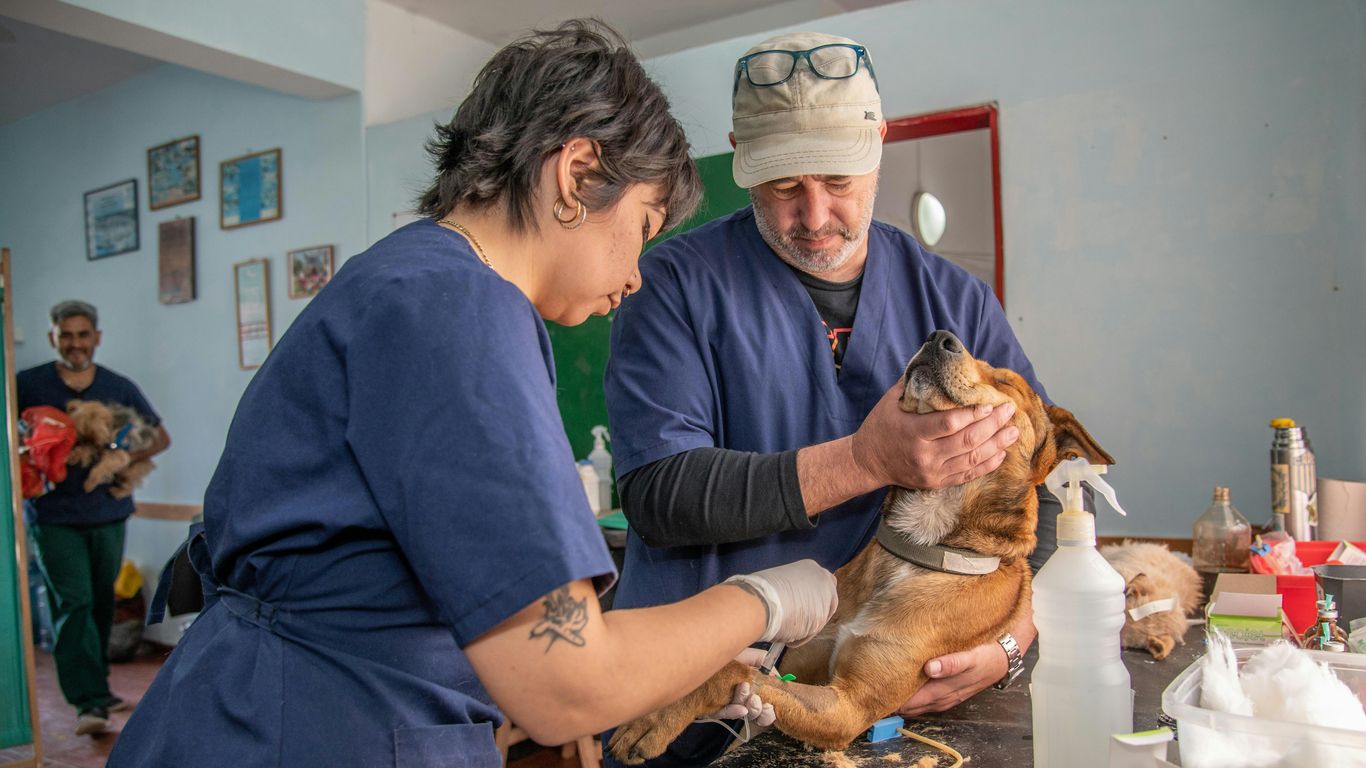
Thinking about a career helping animals but worried about fitting school into your life? We get it. Life’s busy, and traditional schooling isn’t always an option. That’s where online veterinary assistant programs really shine. They’re designed to work with you, not against you.
This is probably the biggest draw. Online programs let us learn on our own time. Whether you’re working full-time, have family commitments, or just prefer to study late at night, you can make it work. You can log in and do your coursework whenever it fits best. It’s a game-changer for people who can’t commit to a set class schedule. Many programs, like the one at Blackstone, let you learn at your own pace, which is fantastic.
Forget about relocating or commuting to a campus. With an online program, your classroom is wherever you have an internet connection. This means you can access quality education from your hometown or even if you move across the country. It opens doors to programs you might not have had access to otherwise. This kind of accessibility is a huge plus for getting the training you need.
Let’s be honest, education costs add up. Online programs often come with lower tuition fees than their on-campus counterparts. Plus, you save money on things like commuting, housing, and sometimes even textbooks. While you still invest in your future, the overall financial burden can be significantly lighter. This makes starting a new career path much more achievable for many of us.
Online learning removes many of the traditional barriers to education, making it a practical choice for aspiring veterinary assistants.
Here are some of the ways online programs make education more manageable:
These programs are a smart way to get the skills needed for a rewarding career in animal care, and you can find great options for online veterinary technology programs that offer similar benefits.
So, you’ve decided an online program is the way to go for your veterinary assistant training. That’s great! But with so many options out there, how do you pick the one that’s actually going to set you up for success? It can feel a bit overwhelming, but we’re here to help you sort through it.
First things first, let’s talk about accreditation. This is a big one. You want to make sure the program you choose is recognized by a legitimate accrediting body. Think of it like a stamp of approval that says the school meets certain standards for education. For veterinary assistant programs, you’ll often see mentions of NAVTA approval. This means the program has been reviewed and meets the standards set by the National Association of Veterinary Technicians in America. Some programs might also be accredited by organizations like the DEAC, which is recognized by the U.S. Department of Education. Checking for accreditation is probably the most important step you can take. It helps ensure you’re getting a quality education that will be respected by future employers. We found that programs with NAVTA approval tend to cover the core knowledge needed.
Next up is the actual coursework. What will you be learning? Look at the curriculum closely. Does it cover the basics like animal handling, basic medical terminology, and office procedures? Does it go into more detail about anatomy, physiology, and common diseases? Some programs might offer specialized modules, like small animal care or large animal basics. Think about what kind of veterinary practice you might want to work in down the line and see if the curriculum aligns with that. A good program will give you a solid foundation across the board.
Here’s a quick look at what a typical curriculum might include:
Don’t forget about the people teaching the course and the support system available. Who are the instructors? Do they have real-world experience as veterinary professionals? Their practical knowledge can make a huge difference in how well you grasp the material. Also, consider the level of student support. Are there instructors you can reach out to with questions? Is there technical support if you run into issues with the online platform? Some programs, like US Career Institute, highlight their long history and student satisfaction, which can be good indicators of strong support.
Choosing an online program means you’re largely on your own for day-to-day learning, so knowing there’s a helpful hand available when you need it is pretty important. It’s not just about the books; it’s about the people behind the program too.
So, you’ve picked an online program to become a veterinary assistant. That’s great! Now comes the part where we actually get through the coursework. It’s different from being in a classroom, for sure, but totally doable. We just need to figure out how to make it work for us.
First off, let’s talk about setting up a good study routine. Since we’re not tied to a physical classroom, we have a lot of freedom. That freedom can be a double-edged sword, though. It’s easy to let things slide if we don’t have a plan. Try to set aside specific times each day or week just for your coursework. Treat it like a real job or class. Find a quiet spot where you won’t be interrupted – maybe a corner of the living room or a desk in your bedroom. Consistency is key here. If you can stick to a schedule, you’ll find yourself absorbing the material much better.
Reading textbooks and watching lectures is one thing, but we need to actively engage with the stuff. Don’t just passively scroll through. Take notes, even if it feels old-school. Write down key terms, draw diagrams, or summarize chapters in your own words. If your program has discussion forums, jump in! Talking about the material with other students can really help solidify your understanding. It’s also a good way to see what others are struggling with, and maybe you can help them out, which in turn helps you. This kind of interaction is what makes an online program feel less isolating. Check out the 9-module curriculum to see how structured learning can help.
Most veterinary assistant programs will have some hands-on parts, even if the bulk of the learning is online. This might involve local externships, simulations, or specific assignments. Figure out what these practical requirements are early on. If you need to find a clinic for an externship, start looking sooner rather than later. Some clinics fill up fast. For any skills you need to practice, like restraint techniques or basic medical procedures, see if you can find a willing (and calm!) pet at home to practice on, or perhaps a friend who’s also studying. Don’t wait until the last minute to figure out how you’ll meet these requirements. Getting a head start can make all the difference in feeling prepared and confident for your future role as a veterinary assistant. You can find programs designed to prepare you for this fulfilling profession.
The flexibility of online learning is a big plus, but it demands self-discipline. We need to be proactive about our education, seeking out resources and actively participating, rather than waiting for information to come to us. This approach will make the learning process much more effective and prepare us better for the real world of veterinary care.
So, you’ve finished your online veterinary assistant program. That’s a huge accomplishment! Now comes the exciting part: actually getting out there and starting your career. It might feel a little daunting, but we’ve got some ideas to help you make that transition smoothly.
Your resume is your first impression, so we need to make it count. Think of it as your personal advertisement. We want to highlight everything you learned and all the skills you picked up during your program. Don’t just list your duties; show what you did. Did you assist with surgeries? Mention it. Did you handle client communication? Put that in there. Focus on quantifiable achievements whenever possible. For example, instead of saying ‘Handled client calls,’ try ‘Responded to an average of 20 client inquiries daily, providing information and scheduling appointments.’ This shows impact. We also need to make sure our contact information is clear and professional. A good place to start is by looking at examples of effective resumes for veterinary assistants; they can give you a solid framework to build upon. See resume examples.
This is where those connections you’ve been making start to pay off. Even if you did your program online, you likely interacted with instructors or fellow students. Reach out to them! Let them know you’re looking for a position. Beyond your program, think about local vet clinics. Can you volunteer for a few hours a week? Even short-term exposure can lead to opportunities. Attending local veterinary association meetings, if they’re accessible, can also be a good way to meet people. Sometimes, just being present and showing interest can open doors.
When you get that interview, it’s your chance to shine. Be prepared to talk about your training and how it applies to the job. Think about common interview questions and practice your answers. What are your strengths? Why do you want to work at this specific clinic? Be ready to discuss your understanding of animal behavior and basic medical procedures. It’s also a good idea to have a few questions ready to ask the interviewer. This shows you’re engaged and serious about the role. Remember to dress professionally and arrive on time, or log in early if it’s a virtual interview. Having good references is also key; make sure you’ve asked people who can speak well of your abilities and character. Prepare your references.
Getting your foot in the door is often about showing enthusiasm and a willingness to learn. Clinics are looking for people who are reliable, compassionate, and eager to contribute to the team. Your training has given you a great foundation, and now it’s time to build on that.
So, you’ve finished your online program and landed that veterinary assistant job. That’s awesome! But honestly, the learning doesn’t stop there. The veterinary field is always changing, and staying put means falling behind. We want to keep growing, right? There are a few ways we can do that.
Think of continuing education as keeping your skills sharp. It’s not just about learning new things; it’s about showing your employer and clients that you’re serious about animal care. Many clinics will even help pay for courses or workshops. It could be anything from a weekend seminar on dental cleanings to an online module about new pain management techniques. Staying current is key to providing the best care.
Ever found yourself really drawn to a specific area of veterinary medicine? Maybe it’s emergency care, surgery, or even working with exotic animals. Specializing can make you a really sought-after team member. You could take extra courses or get hands-on experience in that niche. For example, focusing on anesthesia can open up more opportunities in surgical settings. It’s a way to become the go-to person for certain tasks.
Your veterinary assistant training is a solid foundation. From here, you might decide you want to take on more responsibility. Some assistants move into roles like veterinary technicians after completing further education, which involves more in-depth medical training. Others might find they have a knack for client communication and move into practice management. It’s all about seeing where your interests and strengths take you. We’ve seen people go from assisting to managing entire clinics!
The veterinary world is full of chances to learn and grow. Don’t just settle for what you know now. Keep an eye out for new training and see what sparks your interest. Your career can really take off if you’re willing to put in the effort to learn more about animal health.
So, we’ve gone over what online vet assistant programs can do for you. It’s pretty clear that these programs offer a real way to get into the animal care field without a huge time commitment or moving away. We looked at how they work, what you can learn, and how they set you up for a job. If you love animals and want a career helping them, this could be your path. Think about what you’ve learned here and see if it fits what you’re looking for. It’s a big step, but it’s totally doable.
As vet assistants, we’re the backbone of the animal clinic! We help the veterinarians with all sorts of tasks, like keeping the animals comfortable, cleaning kennels, preparing for procedures, and assisting with lab work. Think of us as the helpers who make sure everything runs smoothly for the pets and the doctors.
Online programs are super convenient. We can study whenever it fits our lives, whether we’re working another job or have family commitments. Plus, we can learn from home, saving time and money on travel and sometimes even tuition compared to going to a physical school.
We need to look for programs that are recognized and well-respected. Checking out what classes they offer is important to make sure it covers everything we need to know. Also, seeing if the teachers are experienced and offer good support makes a big difference in our learning.
To do well in an online course, we have to be disciplined. Setting a regular study schedule really helps. We should also actively participate in discussions, ask questions, and make sure we understand all the learning materials. It’s about staying focused and engaged.
Once we’ve completed our training, we’ll want to create a great resume that highlights our new skills. We should also try to connect with people in the animal care world – maybe through internships or by attending local vet events. Getting ready for interviews by practicing common questions is key too.
Absolutely! There are always chances to learn more, like taking extra courses to become an expert in a specific area, such as surgery or dental care for animals. We can also grow into other roles within a veterinary practice, potentially even becoming a veterinary technician with further education.