
We know that wanting to do a good job as a teacher assistant means always looking for ways to get better. The world of education changes, and staying up-to-date helps us support students more effectively. That’s why we’ve put together a list of some great online courses for teacher assistants that can really make a difference in our careers. These courses can give us new skills and a better grasp of what students need.
Getting your Child Development Associate (CDA) Credential is a big step for anyone working with young children. We see it as a really solid way to show you know your stuff when it comes to early childhood education. It’s not just a piece of paper; it’s a national standard that tells parents and employers you’ve met specific requirements in caring for and educating children from birth to age five.
This credential is widely recognized across the country and can open up more job opportunities. It covers a lot of ground, from understanding how children grow and learn to creating a safe and stimulating environment. We think it’s a smart move if you’re serious about a career in this field.
Here’s a quick look at what the CDA covers:
To get the CDA, you usually need to complete a certain number of training hours and have practical experience working with children. Then, there’s a review of your professional portfolio, an observation of you working with children, and a written exam. It takes effort, but the payoff in terms of your career growth and confidence is definitely worth it. We’ve seen many TAs benefit greatly from pursuing this.
The CDA focuses on practical skills and knowledge that you can use every single day in the classroom. It’s designed to be relevant to the actual work we do.
Working with students who have diverse learning needs is a big part of being a teacher assistant. This course is all about getting a handle on what special education really means. We’ll look at different types of learning differences and how they can affect a student in the classroom. It’s not just about identifying challenges, but about understanding the strengths each student brings. We’ll cover the basics of how to support these learners, making sure they feel included and can participate fully.
We’ll explore some key areas:
It’s really important to know that every student is an individual. What works for one might not work for another. This course helps us build a toolkit of strategies. We want to make sure we’re creating a welcoming space for everyone. You can find some great resources on special education courses that cover these topics in more detail. It’s about making sure we’re all on the same page to help these kids succeed.
We’ll also touch on the legal aspects and ethical considerations involved in special education. Knowing our responsibilities helps us do our jobs better and advocate for the students we support. It’s a lot to take in, but it’s incredibly rewarding work.
Keeping a classroom running smoothly is a big part of our job as teacher assistants. It’s not just about helping with lessons; it’s about creating an environment where students can learn without constant disruption. We’ve all been there, right? A few students off-task can quickly derail the whole class. That’s why learning good classroom management techniques is so important.
We need strategies that work for different age groups and personalities. It’s about setting clear expectations from day one and sticking to them. This isn’t about being strict for the sake of it; it’s about creating predictability and safety for the kids. When students know what’s expected, they tend to behave better.
Here are some ideas we can put into practice:
We found that having a consistent approach across the whole class makes a huge difference. It helps build a sense of community and mutual respect. It takes practice, and sometimes it feels like we’re just winging it, but learning these skills really helps us support the lead teacher and, most importantly, the students.
Sometimes, a student’s behavior is a signal that they need something different. It might be a need for more attention, a break, or a different way of approaching the task. Our role is to try and figure out what that signal means and respond appropriately, rather than just reacting to the behavior itself.
We all know that working with young kids means understanding how they grow and learn. That’s where Early Childhood Education Fundamentals comes in. This course really breaks down the different stages of development from birth to about age eight. We look at how children develop physically, socially, emotionally, and cognitively. It’s not just about knowing the stages, but understanding what’s typical for each age and what might be a sign to pay closer attention.
This course helps us build a solid base for our work in the classroom. We cover things like play-based learning, which is so important for little ones. We also explore different teaching philosophies and how they shape classroom activities. It’s about creating an environment where children feel safe and curious.
Here are some key areas we usually touch upon:
Understanding these basics means we can better support each child’s unique journey. It’s about seeing the whole child and responding to their needs effectively. We learn to adapt our approach based on what we observe, making our interactions more meaningful and productive for everyone involved.
Working with students who have learning disabilities can be really rewarding, but it also means we need to be prepared. It’s not just about knowing the subject matter; it’s about understanding how different brains learn and what challenges some students face. We’ve seen firsthand how a little extra support can make a huge difference.
We need to learn how to spot the signs and then figure out the best ways to help. This isn’t about labeling kids; it’s about giving them the tools they need to succeed. Sometimes, it’s as simple as changing how we present information or giving them more time to complete tasks. Other times, it requires more specific strategies.
Here are some common areas where students might need extra help:
Understanding these differences helps us tailor our approach. For instance, with a student who struggles with reading, we might use more visual aids or read instructions aloud. For someone with attention issues, breaking down tasks into smaller steps and providing frequent check-ins can be really effective. It’s all about finding what works for each individual.
We’re not expected to be specialists, but knowing the basics of common learning disabilities and having a toolbox of strategies is key. Our role is to be a bridge, connecting students to the resources and support they need to thrive in the classroom.
We also need to be good communicators. Talking with the lead teacher, special education staff, and sometimes even parents, is important. They can provide insights into what strategies are working best at home or in other settings. This collaboration helps us create a consistent support system for the student. It’s a team effort, really.
We all want our classrooms to be places where kids feel safe and can learn without a lot of disruptions. That’s where Positive Behavior Interventions and Supports, or PBIS, comes in. It’s not just about punishing bad behavior; it’s really about teaching kids the right way to act and then rewarding them when they get it right. This approach shifts the focus from reacting to problems to proactively building a positive school culture.
Think of it like this: instead of just telling a child ‘don’t run,’ PBIS encourages us to teach them what to do instead, like ‘use walking feet inside.’ We set clear expectations for behavior in different areas of the school – like the classroom, the hallway, or the playground – and then we make sure to acknowledge and praise students when they meet those expectations. It’s about creating a predictable and supportive environment.
Here are some key parts of PBIS we can use:
PBIS is a framework that helps us create a more positive and effective learning space for everyone. It’s about building relationships and understanding the ‘why’ behind student actions. Many schools find that implementing PBIS leads to fewer office referrals and a better overall climate. We can find accredited and award-winning training to help build strong relationships and transform challenging situations into positive outcomes.
We’re not just managing behavior; we’re teaching life skills. By focusing on what we want to see, we help students develop self-control and make better choices. It takes time and consistency, but the payoff in a calmer, more productive classroom is huge.
Getting good at PBIS means we can help create a school environment where students feel supported and understood, which naturally leads to better behavior and more time for actual learning. It’s a win-win for everyone involved.
We all know how important reading and writing are, right? For our youngest students, building a strong foundation in literacy is super important. It’s not just about recognizing letters; it’s about helping them understand stories, express their own ideas, and get ready for school.
This course really breaks down how kids learn to read and write. We look at the different stages they go through, from babbling and scribbling to actually forming words and sentences. Understanding these stages helps us know where each child is and what they need next. We cover things like phonological awareness – that’s the ability to hear and play with sounds in words – and how that leads to sounding out words. We also talk about vocabulary building and how to get kids excited about books.
Here are some key areas we explore:
We also discuss how to create a print-rich environment, where books and writing materials are everywhere. Think about labeling things in the classroom, having a cozy reading corner, and making sure there are plenty of writing tools available. It all adds up.
We learned about different ways to make reading interactive. Instead of just reading a story, we practiced asking questions, predicting what might happen next, and talking about the characters. It made a big difference in how engaged the kids were. They started looking forward to story time!
This kind of training gives us practical tools. We get ideas for games, activities, and simple strategies that we can use every single day. It’s about making literacy fun and accessible for every child, no matter their starting point. It really helps us support their journey into becoming confident readers and writers.
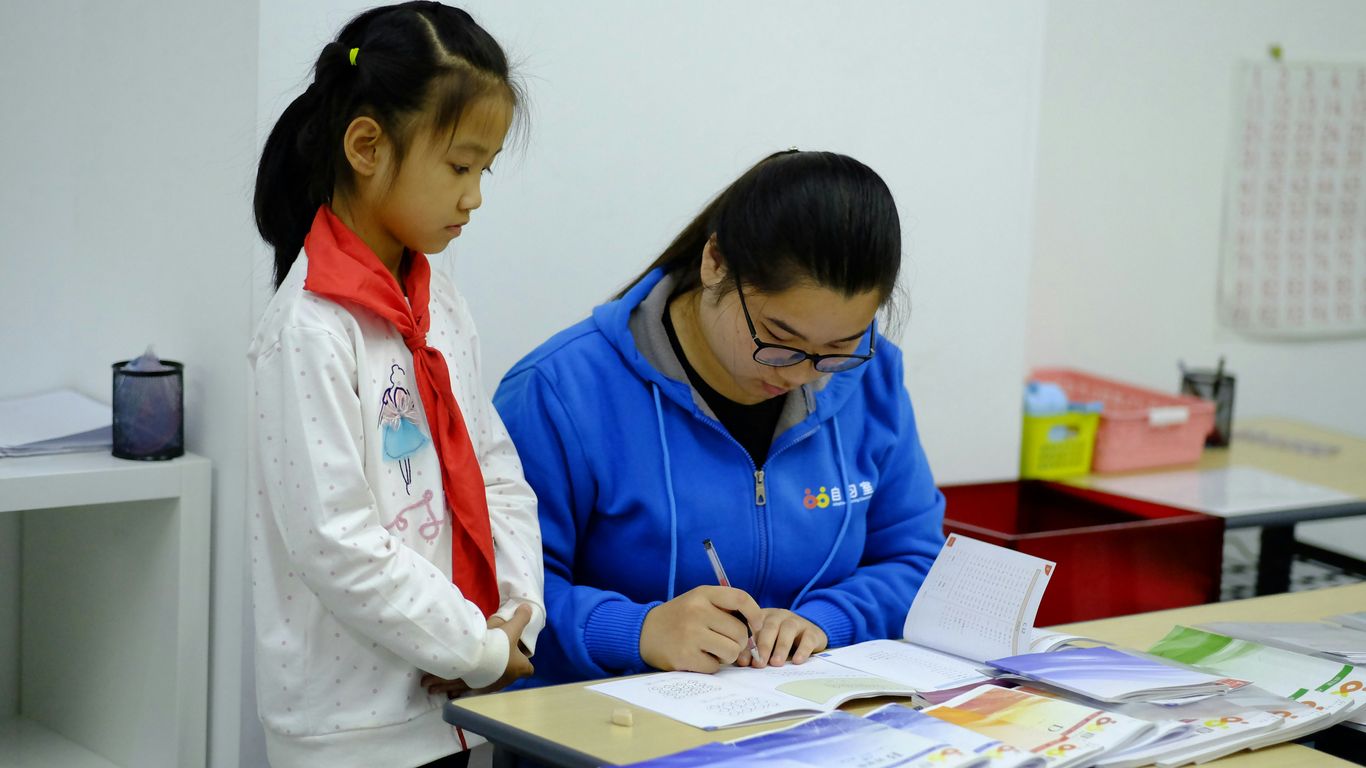
Helping young students get a handle on math can feel like a big task, but it’s so rewarding when they start to grasp concepts. This course focuses on practical ways we can make math accessible and even fun for elementary-aged kids. We’ll look at how to break down numbers, shapes, and simple equations so they make sense.
We’ll explore different teaching methods that cater to various learning styles. It’s not just about memorizing formulas; it’s about building a solid foundation. Think about how we can use everyday objects to teach counting or how to make geometry hands-on with blocks. We want to move beyond rote learning and get kids thinking mathematically.
Here are some key areas we’ll cover:
We’ll also discuss how to use games and activities to reinforce learning. Sometimes, a simple card game can teach addition and subtraction better than a worksheet. It’s about finding those connections that make math click for them. This training can really help us support students in their math journey, preparing them for more advanced topics later on. You can find some great resources on elementary education programs online to further your knowledge in this area online elementary education programs.
We’ll also touch on how to identify and help students who might be struggling with math concepts. Early intervention is key, and knowing the signs can make a big difference in a child’s confidence and future success with numbers.
We’re seeing more and more tech in schools these days, and it’s not just for the kids to play games. As teacher assistants, we need to get comfortable with how these tools work and how we can use them to help out.
Being able to use classroom technology effectively can really make a difference in how students learn. It’s not about replacing teachers, but about giving us more ways to support them and the students. Think about interactive whiteboards – they’re not just fancy screens. We can use them to show videos, pull up online resources, or even let students come up and write answers.
Here are some common tech tools we might encounter:
It’s important to remember that technology is a tool, not the whole lesson. We still need to be present, observe students, and help them when they get stuck. Sometimes, the simplest tech can be the most useful. A good set of headphones for a student who needs quiet, or a simple app that reads text aloud, can be a game-changer.
We don’t all need to be tech wizards overnight. The key is to be open to learning and to ask questions. Most schools have IT support or tech-savvy teachers who can help us figure things out. Our role is to help make sure the technology is used in a way that benefits the students and supports the teacher’s goals for the lesson.
We should also think about how we can use technology to help with our own tasks. Maybe there’s a way to use a simple spreadsheet to track student progress on a specific skill, or a shared document where we can jot down notes about individual student needs. It’s all about finding what works best for our classroom and our students.
Keeping our students safe and healthy is a big part of what we do as teacher assistants. It’s not just about watching them; it’s about knowing what to do in different situations. We need to be aware of potential hazards in the classroom and playground, and how to prevent accidents before they happen. This includes everything from proper handwashing to knowing emergency procedures.
A safe learning environment is a happy learning environment.
Here are some key areas we focus on:
We often think of safety as just preventing injuries, but it also includes emotional safety. Creating a space where children feel secure, respected, and cared for is just as important for their well-being and learning.
Understanding common childhood illnesses and when a child should stay home is also part of our role. We work closely with teachers and school nurses to make sure we’re following all the right protocols. It’s a lot to keep track of, but it’s so important for the kids.
Keeping schools safe is super important. This means making sure everyone, from students to teachers, is protected from harm. It covers everything from fire drills to making sure buildings are safe to be in. A safe place helps everyone learn and grow better. Want to learn more about making your school a safer place? Visit our website for tips and resources!
So, that’s a look at some of the online courses that can really help us as teacher assistants in 2026. We’ve seen how picking the right training can make a big difference in our day-to-day work and how we support our students. It’s not always easy to find the time for more learning, we get it. But investing a little time now can pay off big later, making our jobs smoother and helping the kids we work with even more. Think about what you want to learn next and give one of these a try. We’re all in this together, trying to be the best we can be for our classrooms.
We believe these courses will really help us grow in our roles as teacher assistants. They cover important topics that can make us better at supporting teachers and students. Think of it as leveling up our skills to be even more awesome in the classroom!
We’ve picked courses that are designed to be clear and easy to follow. They use simple language, so you won’t get lost in confusing terms. It’s like learning something new in a way that makes sense to us.
The time can vary, but many of these courses are flexible. We can often work through them at our own pace, fitting them around our busy schedules. Some might take a few hours, while others could be a bit longer, but we can usually find options that work for us.
Absolutely! Completing these courses shows we’re serious about our careers. It gives us new skills and knowledge that employers look for, which can open doors to new opportunities or even promotions. We’re investing in ourselves!
Yes, that’s the best part! Since they’re online, we can learn from the comfort of our homes, a local library, or anywhere with internet access. No need to travel to a classroom, making it super convenient for us.
Most online courses offer support. We can usually reach out to instructors or support staff if we have questions or get stuck. There are also often discussion forums where we can connect with other students and learn together. We’re not alone in this!