
Thinking about a career change into healthcare? We get it. The medical field is always looking for good people, and becoming a medical assistant seems like a solid path. The good news is, you don’t have to go back to a physical classroom anymore. Learning how to become a medical assistant online is totally doable now, and we’re here to walk you through what that looks like for 2026. It’s a big step, but with the right plan, we can make it happen.
Before we jump into the online programs, let’s get a clear picture of what a medical assistant actually does. It’s a role that sits right at the heart of patient care, bridging the gap between doctors, nurses, and the people they help. We’re talking about a job that’s both varied and incredibly important in any healthcare setting.
So, what’s a typical day like? Medical assistants handle a mix of administrative and clinical tasks. On the administrative side, we’re often the first point of contact for patients. This means scheduling appointments, managing patient records, handling billing and insurance paperwork, and answering phones. It’s about keeping the office running smoothly so the clinical staff can focus on patient treatment.
Clinically, our duties can include taking patient histories, recording vital signs like temperature, blood pressure, and pulse, and preparing patients for examinations. We might also assist physicians during procedures, draw blood, administer medications as directed, and perform basic lab tests. The variety keeps things interesting, and knowing we’re directly helping people feel better is a big part of the job.
To do this job well, a few key skills really make a difference. First off, communication is huge. We need to be able to talk clearly and kindly with patients, who might be feeling anxious or unwell, and also communicate effectively with doctors and other healthcare professionals. Being organized is another big one; juggling appointments, records, and tasks requires a sharp mind and good planning.
We also need a good dose of empathy. Understanding and responding to patients’ needs with compassion goes a long way. And, of course, attention to detail is non-negotiable, especially when dealing with patient information and medical procedures. A willingness to learn and adapt is also important, as healthcare practices are always evolving.
Looking ahead, the job market for medical assistants looks pretty solid. Healthcare is a growing field, and as more people seek medical services, the need for support staff like us increases. Many sources predict steady job growth for medical assistants over the next decade. This means that after we complete our training, we should have a good chance of finding employment.
Here’s a quick look at what we might expect:
The demand for skilled medical assistants is driven by the increasing number of healthcare facilities and the growing need for efficient patient care. This trend suggests a secure future for those entering the profession.
Understanding these basics sets the stage for why pursuing an online medical assistant education is a smart move for many of us looking for a rewarding career in healthcare.
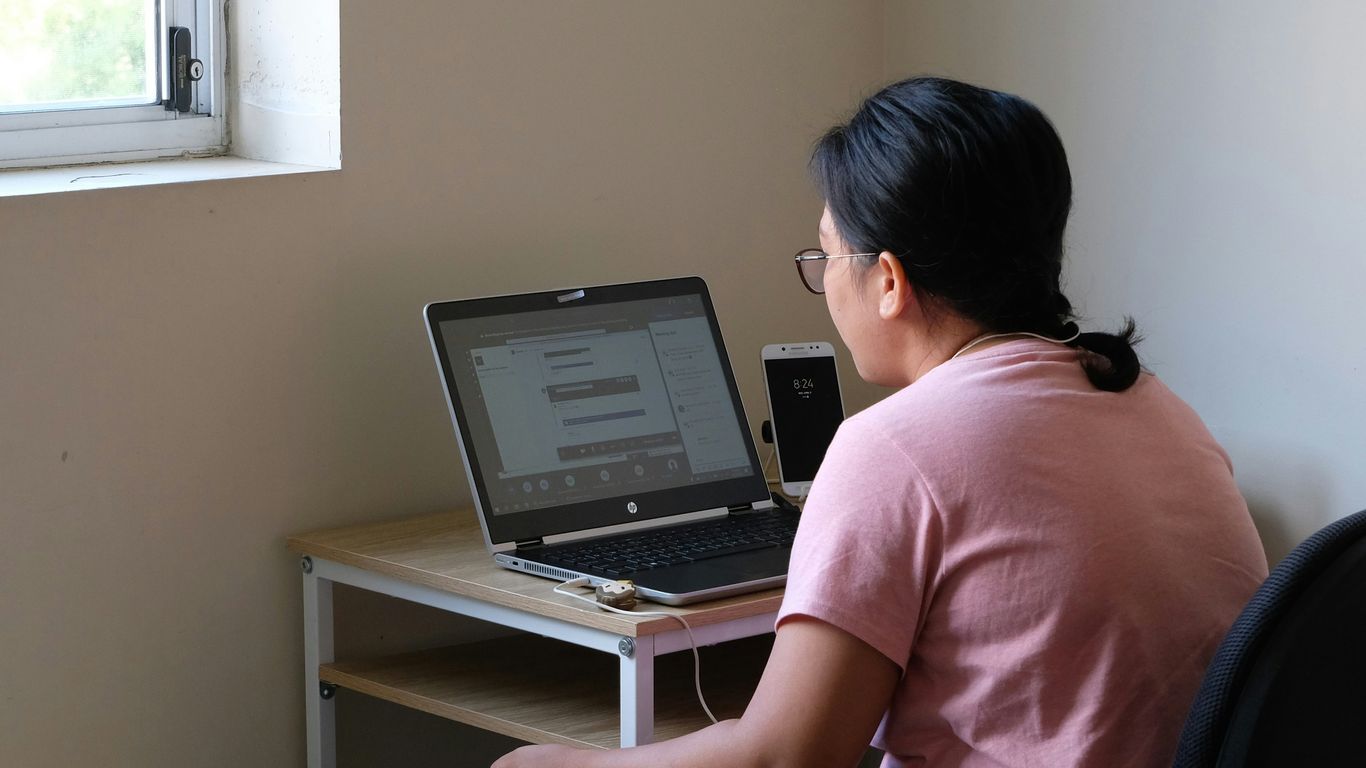
So, you’re thinking about becoming a medical assistant, and the online route seems like the way to go. That’s smart! It offers a lot of flexibility, which is great when you’re juggling life’s other demands. But with so many options out there, how do we pick the right one? We need to look closely at what makes a program good.
First things first, we absolutely have to check if a program is accredited. This isn’t just a formality; it’s a big deal. Accreditation means the program meets certain standards for education and training. Without it, your hard work might not be recognized by employers or for certification. We should look for schools accredited by agencies recognized by the U.S. Department of Education, like the Commission on Accreditation of Allied Health Education Programs (CAAHEP) or the Accrediting Bureau of Health Education Schools (ABHES). A program that’s properly accredited gives us confidence that we’re getting a solid education.
What will we actually be learning? Online programs typically cover a mix of classroom-style learning and practical skills. We’ll likely study things like medical terminology, anatomy and physiology, patient care procedures, and medical office management. Some programs also include a clinical externship, which is super important for getting hands-on experience. We should check the course catalog to see if the subjects align with what we want to do and if they prepare us for the real world of healthcare.
Here’s a general idea of what we might find:
One of the biggest draws of online learning is flexibility, right? We can often study on our own schedule, which is a lifesaver. Program lengths can vary quite a bit. Some might be completed in as little as a year, while others could take two years, especially if they include a longer externship. We need to figure out what fits our timeline and our learning style. Can we commit to a certain number of hours per week? Does the program offer part-time options if we need them? Understanding the time commitment is key to staying on track.
When choosing an online program, think about how you learn best. Do you need live interaction, or are you good with self-paced modules? Consider the support systems the school provides for online students, like technical help or academic advising. A good program will make you feel connected, even from a distance.
Getting into an online medical assistant program is usually pretty straightforward, but there are a few things we all need to have in order before we can start. Think of it like gathering your supplies before a big project – you wouldn’t start building a birdhouse without nails, right? It’s the same idea here.
This is almost always the first hurdle. Most programs want to see that you’ve completed high school or earned your GED. It shows you have a basic level of education that’s needed for the coursework. Some programs might ask for your transcripts, so it’s good to have those ready. If you’re still working on your GED, many schools will let you apply and then submit your scores once you’ve passed. It’s a standard requirement across the board.
This one can be a bit of a mixed bag. Some online medical assistant programs require standardized test scores, like the SAT or ACT, while others don’t. It really depends on the school and the specific program. If they do require them, they’ll usually tell you what scores they’re looking for. If you haven’t taken these tests in a while, or ever, don’t stress too much. Many programs focus more on your high school GPA or GED scores. It’s always best to check the specific requirements for each program you’re interested in.
So, how do we actually apply? It usually starts with filling out an application form, which you can typically find on the school’s website. You’ll likely need to provide some personal information, details about your education history, and maybe even a short essay or personal statement. Here’s a general rundown of what to expect:
Sometimes, programs might also ask for a background check or a drug screening, especially if there’s a clinical component involved. It’s all part of making sure everyone is ready for the responsibilities that come with working in healthcare.
It’s really about making sure we’re prepared for the academic side of things. Don’t be afraid to reach out to the admissions office if you have questions. They’re there to help us get through the process smoothly.
So, you’ve picked an online program to become a medical assistant. That’s great! Now comes the part where we actually get through the coursework and come out the other side ready for the real world. It’s not quite like being in a classroom, but with a few smart moves, we can make it work.
Studying from home has its perks, but it also means we have to be extra disciplined. First off, set up a dedicated study space. It doesn’t have to be fancy, just a spot where you can focus without the TV blaring or family members interrupting. Try to stick to a schedule, too. Treat your online classes and study time like you would a job. This helps build routine and keeps you on track. Consistency is really the name of the game here.
Here are some habits that really helped us:
It can feel a bit isolating studying online, right? We need to make an effort to connect. Don’t be shy about emailing your instructors with questions. They’re there to help, and usually, they’re happy to clarify things. For peer interaction, many programs have online forums or group projects. Jump into those discussions! It’s a good way to share notes, get different perspectives, and build a support network. We found that participating in these online communities made the whole experience much more bearable and productive.
Remember, even though you’re not physically present, you’re still part of a learning community. Reaching out is a sign of engagement, not weakness.
Online programs come with a bunch of tools, and we should use them all. Most platforms have digital libraries, video tutorials, and practice quizzes. Make sure you know where everything is and how to access it. Sometimes, the program might point you to external resources too. For instance, understanding the difference between accredited and non-accredited programs is important, and your school should provide guidance on this type of information.
Here’s a quick rundown of resources to look for:
So, you’ve finished your online medical assistant courses. That’s a big step! But we’re not quite done yet. The next big hurdle is getting certified. Think of it as your official stamp of approval, showing employers you’ve got the knowledge and skills they need. It’s a really important part of starting our careers.
When we talk about certification, there isn’t just one path. Several organizations offer credentials, and each has its own requirements and focus. It’s good to know what’s out there so we can pick the one that best fits our goals. Some of the most common ones include:
Each of these usually involves passing a pretty tough exam. We’ll need to look at what each one covers and which might be preferred by employers in the areas where we want to work.
Okay, so we’ve picked a certification. Now comes the studying. It can feel a bit overwhelming, but with a good plan, we can totally do this. Breaking down the material and practicing regularly is key.
Here are some ideas that worked for us:
Remember, these exams test your practical knowledge. Think about how you’d handle real-world scenarios in a clinic setting. That kind of thinking will serve you well.
Getting certified isn’t the end of the learning journey. Healthcare is always changing, with new procedures, technologies, and regulations popping up. To keep our certifications valid and stay good at our jobs, we need to keep learning. This is called continuing education, or CE.
Most certifications require a certain number of CE hours every few years. These can come from workshops, online courses, conferences, or even professional reading. It’s not just about meeting a requirement; it’s about staying up-to-date and becoming an even better medical assistant. We’ll want to keep an eye on the specific CE requirements for whichever certification we choose.
So, you’ve finished your online medical assistant program. That’s a huge accomplishment! Now comes the exciting part: actually getting a job. It might feel a little daunting after spending so much time studying from home, but we’ve got some practical steps to help you transition smoothly into the healthcare field.
Your resume is your first impression, so we need to make it count. Think about highlighting the skills you learned online, like patient scheduling, medical terminology, and basic clinical procedures. Don’t forget to mention any practical experience you gained, even if it was part of your coursework or a short externship. We want to show employers you’re ready to contribute from day one.
Here’s a quick checklist for your resume:
It might seem like online learning means you’re isolated, but networking is still super important. Reach out to your instructors; they often have connections in the industry. Also, consider joining professional organizations for medical assistants. These groups can offer job boards and networking events, both online and in person. The demand for skilled Medical Office Assistants and Unit Clerks is projected to increase significantly by 2026, so getting your name out there is key healthcare settings.
When you land an interview, preparation is everything. Think about common interview questions and practice your answers. Be ready to talk about why you chose to become a medical assistant and what you learned in your online program. Dress professionally, even if the interview is virtual. Show your enthusiasm and your willingness to learn. Remember, they’re looking for someone reliable and good with people. A little bit of confidence goes a long way.
It’s easy to feel nervous before an interview, but remember that the employer wants to find the right person for the job. They’ve already seen your resume and decided you’re worth talking to. Your goal is to show them you’re a good fit for their team and that you’ll be a dependable employee.
Finished your online courses and ready to start working? It can be tough to find that first job, but don’t worry! Many people are looking for skilled workers just like you. You’ve learned new things, and now it’s time to show employers what you can do. Visit our website to see job openings that match your new skills and take the first step towards a great career.
So, we’ve gone over how you can get started as a medical assistant without leaving your house. It’s definitely doable these days with all the online programs out there. We looked at what you need to think about before you sign up, like picking the right school and making sure the course fits your life. Remember, it takes work, but the payoff can be really good if you want a career in healthcare. We hope this guide helps you take that first step. Good luck out there!
As medical assistants, we’re like the helpful hands in a doctor’s office or clinic. We do a bit of everything! This includes greeting patients, helping them with paperwork, taking their vital signs like temperature and blood pressure, and sometimes assisting doctors during exams. We also handle tasks like scheduling appointments and keeping patient records tidy.
Yes, absolutely! Many schools now offer online programs that teach you all the important stuff you need to know. You’ll learn about medical terms, how to handle patient information safely, and basic clinical skills. It’s a great way to get your education without having to go to a classroom every day.
The time it takes can change depending on the program you pick. Some programs are quicker, maybe taking around a year or less. Others might be a bit longer, closer to two years. We get to learn at our own speed, which is pretty neat, but it’s good to check how long each program is expected to last.
Usually, you’ll need to have finished high school or gotten your GED. Some schools might look at your grades, but often, they don’t require super high scores. The main thing is showing you’re ready to learn and have a high school diploma or equivalent.
Studying online means we need to be good at managing our time. We should set aside specific times to study each day, just like we would for a class. Using flashcards, practice tests, and even forming online study groups with classmates can really help us remember the information and feel ready for the big exam.
Once we’re done with school and certified, we need to put together a good resume that highlights our new skills. We can also look for job openings online and talk to people we know who work in healthcare. Going to job fairs or reaching out to clinics directly can also open doors for us to find our first job as a medical assistant.