
Transitioning to independent work requires careful planning and strategic execution. These points highlight the core elements of a successful career shift.
Starting a business as a consultant requires significant planning, especially when you are leaving a structured corporate environment. We find that the transition into a freelance mechanical engineering career hinges on the clarity of your vision and your willingness to adapt to client needs. By breaking down the transition into manageable steps, we can ensure a more stable foundation for our professional growth.
Success often follows when we specialize in a particular domain rather than positioning ourselves as generalists. We suggest evaluating your previous work to see where your specific strengths lie, whether it be in aerospace testing, automotive components, or consumer product development.
A dedicated home office acts as an essential boundary between personal time and professional responsibilities. We find that investing in ergonomic furniture and high-speed networking equipment directly improves our output and daily comfort.
Selecting a formal business structure provides liability protection that is crucial for any engineer handling sensitive designs. We typically consult with local tax advisors to determine if a sole proprietorship or a limited liability company serves our specific income level and risk profile best.
Gathering evidence of your technical expertise is the fastest way to gain credibility with new leads. We suggest focusing on the following elements to create a professional showcase:
By ensuring these pieces are ready, we present a polished image during every first meeting we attend.
Tools transform raw ideas into manufactured reality, and the reliability of our equipment is the bedrock of this field. We ensure that our software selection matches the technical demands of our clients to keep our operational overhead manageable while maintaining high standards of quality.
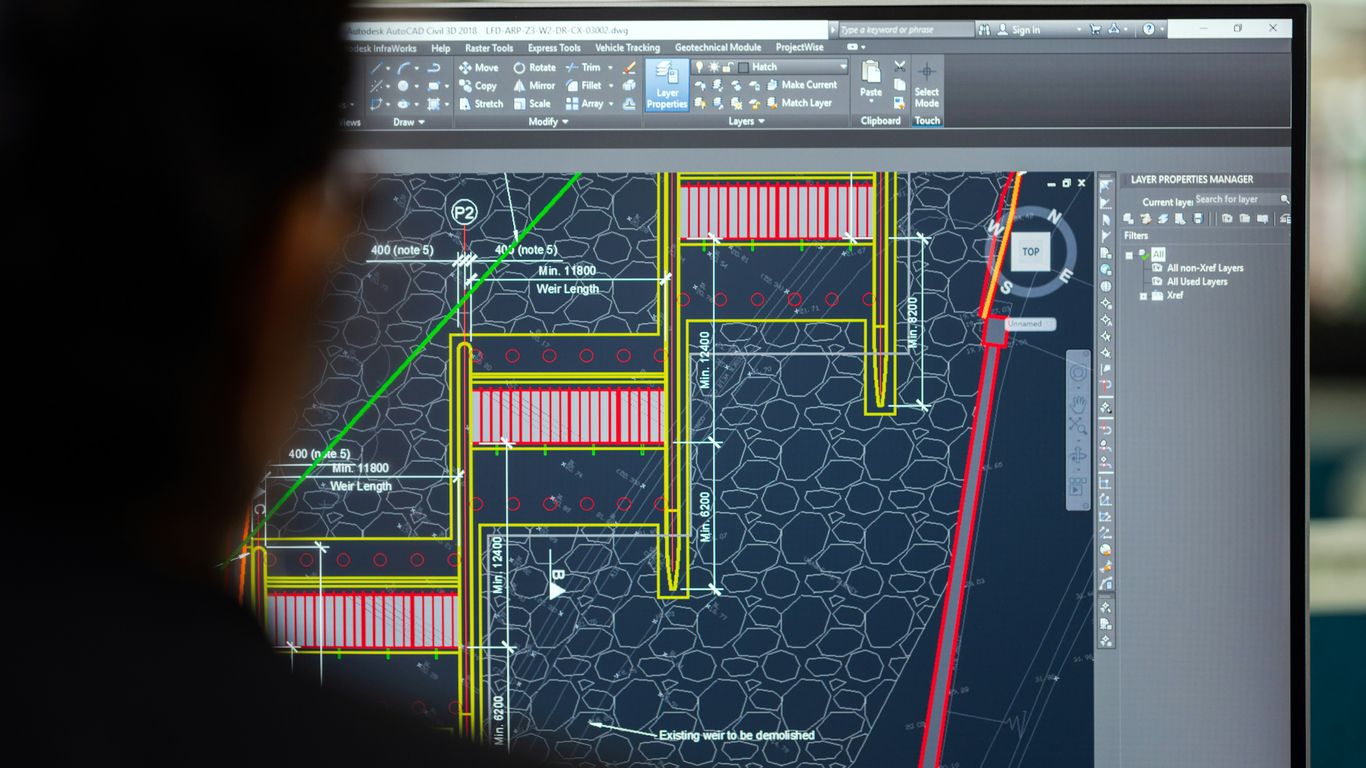
Choosing the right environment is vital for maintaining compatibility with your clients. Whether you need Kolabtree to find specialized partners or specific design tools, having a setup that supports industry-standard files is non-negotiable.
We must prevent data loss and confusion by implementing strict version control systems for all our CAD models and simulation reports. Keeping a clear history of iterations allows us to revert safely if a design path proves ineffective during testing.
Protecting sensitive client information is a foundational responsibility for any independent engineer. Using J.O.T. Solutions is one approach we consider to manage projects securely without the risks associated with scattered freelance communication.
Modern engineers need to move files and feedback quickly across different time zones. We utilize various cloud platforms to maintain synchronization, as shown in the table below:
| Tool Category | Example Purpose | Update Frequency |
|---|---|---|
| Project Management | Tracking tasks and deadlines | Daily |
| Cloud Storage | Sharing large CAD datasets | Immediate |
| Communication | Hosting client review meetings | Weekly |
We find that these tools prevent the typical bottlenecks that drag down team efficiency in remote settings.
Building a pipeline of consistent work requires a deliberate mix of outreach and professional reputation management. We treat every proposal as a reflection of our commitment to excellence, aiming to build lasting partnerships rather than just one-off tasks.
Platforms such as Freelancer.com serve as excellent gateways for finding active client needs. We find that by setting up an optimized profile on these sites, we attract clients who are looking for specific technical expertise.
Your online presence should emphasize your active projects and technical expertise clearly. We focus on publishing updates about our design process to ensure our network remembers us when a new mechanical engineering opportunity arises.
In-person connections remain relevant even in a digital world. We prioritize attending conferences where we can meet potential clients face-to-face and discuss the latest industry trends.
We always customize our approach by highlighting how our specific skills address the client’s current design challenges. A proposal that shows we understand the technical constraints of the request usually stands out among generic template responses.
Determining the appropriate cost for our expertise is a balancing act between market value and maintaining a sustainable business. We must account for the time spent on administrative tasks and continuous professional development, creating a foundational bond of trust with clients through transparent billing.
Hourly rates protect us from fluctuating requirements, while fixed-price models offer clients peace of mind regarding their budget. We often shift strategies based on how well the project scope is defined from the outset.
We regularly review industry salary benchmarks to ensure our rates match the current market demand. This practice keeps us from losing out on high-quality work while also preventing us from underpricing our specialized skills.
Failure to include the cost of software licenses, electricity, and hardware depreciation in our rates can eat into our actual take-home pay. We treat these expenses as necessary line items in every quote we send.
Every project requires a clear contract that prevents work from expanding beyond the original agreement without compensation. Referencing the principles in 3fe8 helps us navigate these discussions with honesty about what is feasible within the budget.
Tracking professional milestones allows us to maintain a steady workflow while minimizing stress during high-pressure phases. Managing our internal operations with the same care as our external designs ensures we remain profitable and sustainable over the long term.
Breaking down large designs into distinct phases prevents us from feeling overwhelmed by complex project requirements. We track progress daily to ensure every deliverable reaches the client on time.
Keeping accurate, up-to-date financial records is non-negotiable for tax compliance. We set aside a portion of every check to ensure our quarterly estimates are covered without friction.
Automated invoicing tools ensure we get paid promptly while presenting a professional front. We find that clear and timely invoices are essential for maintaining good client relationships.
We prioritize projects based on complexity and deadline urgency to ensure no single client remains waiting. By communicating our availability honestly, we manage expectations before we ever start the design work.
Building a career as a freelance mechanical engineer requires us to wear many hats beyond just technical design. By focusing on smart niche selection, secure project management, and transparent business operations, we create a stable and rewarding path forward that respects our expertise and our time.
Start by building a small client base while you are still employed to ensure you have a financial cushion. This allows you to test your market niche without the immediate pressure of full reliance on freelance income.
It is better to be a master of one or two industry-standard tools than a beginner at many. Focus on the software most commonly used in your chosen niche to maximize your efficiency and appeal to potential clients.
Always document the original project scope in your contract and require a formal written approval for any additional work. This protects your time and your budget from unnecessary, unpaid tasks.
Forming an entity helps isolate your personal assets from business liabilities, providing a layer of protection that is generally recommended for engineers. Consult with a lawyer to understand the specific regulations in your region.
Leverage your existing network of professional contacts while actively participating on freelance marketplaces. Often, your first few projects will come from former colleagues or industry acquaintances who are already familiar with your work quality.
Fixed-price projects are often more attractive to clients, but they require a very well-defined scope to be profitable for you. We suggest starting with hourly models if the client’s needs are likely to evolve during the design process.
Dedicate a specific time each week to handle invoicing, documentation, and tax tracking. Treating these tasks as part of your project work ensures they do not fall behind and keeps your financial health consistent.