
So, you’re a 3D artist looking for work? We get it. The freelance world can seem a bit wild, especially when you’re trying to figure out where your skills fit in. We’ve been looking at what’s hot for freelance jobs for 3D artists in 2026, and it turns out there are plenty of cool gigs out there. We’ve put together a quick rundown of some of the top areas where you can find work, from making buildings look real to designing characters for games. It’s all about finding that sweet spot where your talent meets what people need.
When we think about 3D art, architectural visualization often comes to mind first. It’s a big field, and for good reason. Architects and designers need ways to show clients what a building will look like before it’s even built. That’s where we come in. We take blueprints and turn them into realistic images or even walkthroughs.
This job is all about bringing static plans to life. It requires a good eye for detail and a solid grasp of lighting and materials. We’re not just making pretty pictures; we’re helping people make huge decisions about where they’ll live or work. The software we use can be complex, but the payoff is seeing a project go from a digital model to a real structure.
Here’s a look at what goes into it:
We often work with different types of projects:
It’s a field that’s always growing, especially with new tech. We’re seeing more demand for virtual reality tours of unbuilt spaces, which adds another layer to the work. It’s pretty cool to be part of shaping how spaces are perceived before they even exist.
We’ve seen a huge jump in demand for high-quality product renderings lately. Companies, big and small, are realizing how much they can save and how much better they can present their items without needing physical prototypes for every single variation. Think about it: instead of spending a fortune on photoshoots for a new line of kitchen gadgets, they can get photorealistic images of every color, material, and angle right from a 3D model. It’s a game-changer for marketing materials, online stores, and even internal design reviews.
This field is booming because it directly impacts sales and brand perception. A well-rendered product looks more appealing, trustworthy, and professional. We’re talking about everything from sleek electronics and stylish furniture to everyday consumer goods. The key is making the digital version look as real, if not better, than the actual item. This involves paying close attention to lighting, textures, and the overall scene setup to make the product pop.
Here’s a quick look at what goes into making great product renders:
We’ve noticed that clients often need a few different types of shots:
The ability to iterate quickly on designs and present them visually without physical costs is what makes this a top freelance gig. Clients can see exactly what they’re getting before anything is manufactured, cutting down on mistakes and speeding up the launch process. It’s all about clear communication and translating a client’s vision into a tangible digital asset.
Creating assets for video games is a huge area for 3D artists right now. We’re talking about everything from characters and props to entire environments. The demand is pretty high because games are getting more detailed and immersive all the time. It’s a field where technical skill meets artistic vision.
We often get asked to make models that are ‘game-ready.’ This means they need to be optimized for real-time rendering, so polygon counts are kept low while still looking good. Texturing is also a big part of it, making sure surfaces look believable, whether it’s worn leather on a character’s armor or the rough stone of a castle wall. It’s a constant balance between visual fidelity and performance.
Here’s a general idea of what goes into it:
We’ve seen a lot of projects lately where clients need specific types of assets. For instance, one recent gig involved making five game-ready models for an upcoming title [fa2e]. It’s exciting work because you get to see your creations come to life in a virtual world. The art style can vary wildly, from hyper-realistic to stylized, so you need to be adaptable. It’s a great way to build a portfolio and get your name out there in the gaming community.
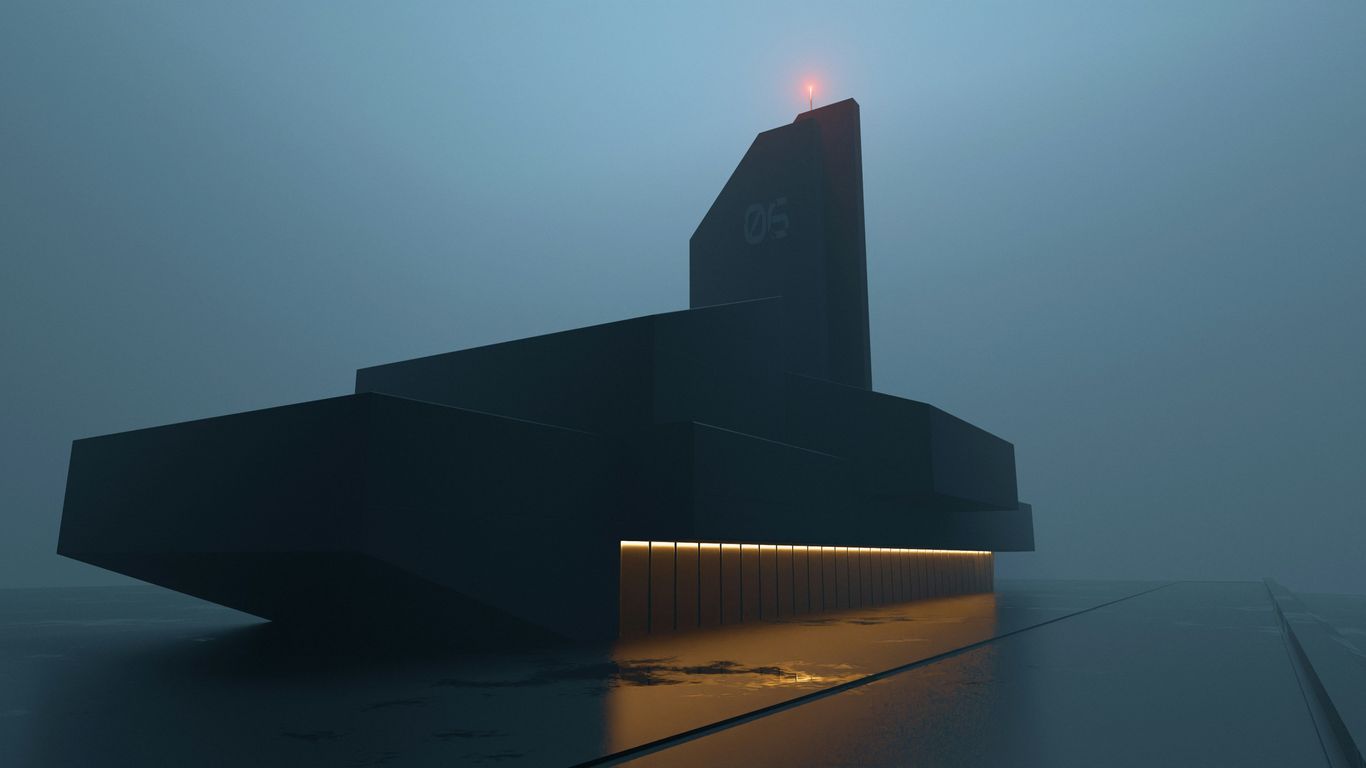
We’ve seen a huge surge in demand for 3D artists who can create models for film visual effects. Think about all those amazing creatures, futuristic vehicles, and alien landscapes you see on screen – a lot of that starts with detailed 3D models. Studios are constantly looking for artists who can bring their concepts to life with realism and style.
The key here is attention to detail and understanding how models will be used in a pipeline. It’s not just about making something look good in a render; it has to be optimized for animation, rigging, and compositing. We often work on assets that need to be incredibly detailed for close-ups, but also efficient enough to render in large quantities for crowd scenes or complex environments.
Here’s a bit of what goes into it:
We’ve found that artists who can adapt to different project needs and work collaboratively tend to do really well in this area. It’s a field where your work can literally be seen by millions, which is pretty wild when you think about it.
It’s a competitive space, for sure, but if you’ve got the skills and the passion for creating believable digital assets, there are plenty of opportunities. We’re seeing a lot of work for creature modeling and complex mechanical designs.
We’ve seen a huge surge in demand for unique character designs, especially for the NFT space. It’s kind of wild how fast this market has grown. If you’re good at creating memorable characters, this could be a really fun gig. Think about creating creatures, avatars, or even mascots that people will want to collect and trade. The key is originality and a style that stands out.
We’ve been working on a few projects lately where clients need distinct characters for their NFT drops. Sometimes it’s for a new collection, other times it’s for a specific influencer collaboration, like the one we saw looking for a custom character design. The brief usually involves a specific theme or aesthetic they’re going for, and we have to bring that to life in 3D. It’s not just about making something look cool; it’s about creating a character with personality that collectors can connect with.
Here’s what we usually focus on when taking on these kinds of jobs:
It’s a field that really rewards creativity and a good grasp of character appeal. You’re not just modeling; you’re helping build a brand or a digital identity for someone.
The market for digital collectibles is still evolving, and artists who can consistently produce high-quality, imaginative characters are finding plenty of opportunities. It’s about more than just the art; it’s about contributing to a new form of digital ownership and community building.
We’ve seen a big jump in augmented reality (AR) applications, and furniture is a huge part of that. People want to see how a couch or a table will look in their actual living room before they buy it. This is where we come in.
Creating realistic 3D models of furniture for AR is becoming a really solid freelance gig. It’s not just about making something look pretty; it needs to be accurate in scale and texture so it fits right into someone’s space through their phone or tablet. The demand for high-quality, lightweight AR assets is only going to grow.
Here’s what goes into it:
It’s a mix of artistic skill and technical know-how. We’re essentially bridging the gap between a digital design and a real-world visualization.
The process involves making sure the scale is exact. If a chair model is off by even a few inches, it completely ruins the AR experience. We use real-world measurements to build everything precisely.
Some companies are looking for single, highly detailed pieces, while others need entire collections. It’s a great way to build a portfolio and get consistent work if you can deliver reliable, optimized models. We’re seeing a lot of interest from online retailers and interior design firms.
Building virtual worlds for virtual reality is a really interesting gig these days. We’re seeing a big push for more immersive VR experiences, and that means a huge demand for artists who can create believable, engaging environments. Think about it – whether it’s for games, training simulations, or even virtual tourism, someone has to build that world.
We’re talking about crafting everything from sprawling alien landscapes to cozy, realistic living rooms. It’s not just about making things look pretty; it’s about making them feel real and functional within the VR space. This involves a lot of attention to detail, from the textures on the walls to the way light bounces off surfaces. We need to consider how users will interact with the space, too. Is it a place they can walk through? Can they pick things up? These questions shape the design.
Here’s a bit of what goes into it:
The technical side of VR environment building can be tricky. We often have to balance visual fidelity with performance. It’s a constant give-and-take to make sure the experience is both stunning and playable.
We’ve seen projects range from creating historical reconstructions for educational VR to designing fantastical settings for new game titles. The scope can vary wildly, from a single room to an entire city. It’s a field that really lets us stretch our creative muscles while also learning a lot about real-time rendering and game engine workflows.
We’ve seen a big jump in demand for 3D artists who can create accurate medical visuals. Think about it: doctors, students, and even patients need to see what’s going on inside the body, and flat diagrams just don’t cut it anymore. Creating detailed, scientifically correct models of organs, bones, and even cellular structures is becoming a key part of medical education and patient communication.
This field requires a good eye for detail and a willingness to work closely with medical professionals to get things right. It’s not just about making something look pretty; it has to be medically accurate. We’re talking about models for surgical training, patient consultations, and even animated explanations of complex procedures.
Here’s a look at what goes into it:
The accuracy needed here is pretty intense. We’re not just guessing; we’re translating complex biological data into a visual format that’s easy to understand. It’s a serious responsibility, but also incredibly rewarding when you know your work is helping people learn or understand their health better.
Some common projects we’re seeing include:
We’ve seen a big shift in how jewelry is designed and sold, and 3D modeling is right at the heart of it. For us freelance artists, this means a steady stream of work creating digital models of rings, necklaces, earrings, and more. Clients range from independent jewelers wanting to prototype a new design to large companies needing photorealistic renders for their online catalogs. It’s a niche, sure, but a really interesting one.
Think about it: instead of carving wax or sketching endlessly, a jeweler can now send us a concept, and we can build a precise 3D model. This model can then be used for:
The demand for customization is huge, and 3D design lets us achieve that with incredible detail. We’re talking about intricate filigree, precise stone settings, and perfect metal textures. It’s not just about making something look pretty; it’s about creating a digital blueprint that’s accurate down to the millimeter.
Here’s a quick look at what clients often ask for:
| Type of Jewelry | Common Requests |
|---|---|
| Rings | Engagement, wedding bands, statement rings |
| Necklaces | Pendants, chains, chokers |
| Earrings | Studs, dangles, hoops |
| Bracelets | Bangles, cuffs, charm bracelets |
The ability to iterate quickly on designs is a game-changer. We can show a client several variations of a pendant, for example, and get feedback before any physical materials are used. This saves time and money for everyone involved.
It’s a field where attention to detail really pays off. If you’ve got a knack for intricate work and a good eye for materials, this could be a great area for us to focus on.
When we think about 3D art, cars might not be the first thing that springs to mind, but this area has picked up a lot of steam lately. Automotive prototypes are in really high demand right now. Companies use 3D artists like us to create digital models of vehicles before they’re ever built. Sometimes it’s about testing new looks for cars, trucks, or even motorcycles, other times it’s for technical checks. Either way, there’s a lot to do.
Here’s what this work usually looks like for us:
The best part? Most of this work happens before any real metal is cut, so our renderings can actually help shape what goes on the road years down the line.
| Type of Prototype | Typical Time Needed | Main Client Types |
|---|---|---|
| Exterior Styling | 2-4 weeks | Auto brands, Startups |
| Concept Interiors | 1-3 weeks | Design studios |
| 3D Visualization | 1-2 weeks | Dealerships, Ad Firms |
Working on these projects means our art has a real impact—it can save manufacturers a ton of money and fix design problems before they become headaches.
If you’re the type who likes cars or just wants complex, rewarding projects, automotive prototypes are worth checking out next year.
Exploring the world of automotive prototypes is exciting! These cutting-edge designs often push the boundaries of what’s possible. If you’re interested in the latest in vehicle innovation, you’ll want to see what’s next. For more on this and other advancements, visit our website today!
So, as we look ahead to 2026, it’s clear that the world of freelance 3D art is still booming. We’ve seen how many different ways we can put our skills to work, from making games look amazing to helping architects show off their designs. It’s not always easy, sure, and sometimes you just have to figure things out as you go, kind of like when I tried to assemble that IKEA shelf last week – took way longer than it should have. But the opportunities are definitely there for us. If you’re a 3D artist, keep honing those skills, stay curious about new tools, and don’t be afraid to put yourself out there. The demand is real, and there’s plenty of work for us to find.
We’re seeing a lot of demand for freelancers who can create cool visuals for buildings, make products look amazing for online stores, design characters and items for video games, and build realistic models for movies. Plus, there’s a growing need for 3D models for things like virtual reality, augmented reality furniture, and even digital art like NFTs.
Not at all! It’s great if you have a few areas you’re really good at. Many successful freelancers focus on one or two types of 3D work, like making game characters or designing jewelry, and become known for that. You can always learn new skills as you go.
The amount we can earn really changes based on our skills, how much experience we have, and the types of projects we take on. Some jobs pay by the hour, while others are for the whole project. With good work and a steady stream of clients, we can make a good living.
It really depends on the job! For general 3D modeling, software like Blender, Maya, or 3ds Max are super common. For texturing, Substance Painter is a big one. For game development, knowing engines like Unity or Unreal Engine is helpful. We usually pick software based on what clients need or what we enjoy using most.
We find work through online job boards that are specifically for freelancers, like Upwork or Fiverr. We also look at specialized websites for creative jobs and connect with people on social media platforms like LinkedIn or ArtStation. Building a strong online portfolio is key to showing off our best work.
Starting out can feel a bit challenging, but it’s definitely doable. The most important thing is to build a portfolio that shows what we can do. We also need to be good at talking to clients and managing our time. The more we practice and the more projects we complete, the easier it gets.