
Thinking about making a living as a freelance 3D artist? It’s a good time to be in this field. We’ve put together some ideas for freelance jobs 3d artist roles that seem to be in demand for 2026. We’ll look at different areas where your skills can be put to work, helping you figure out where you might fit in. It’s all about finding the right projects for your talents.
Architectural visualization is a big one for us 3D artists. It’s all about bringing buildings and spaces to life before they’re even built. Think of it as a super-realistic preview for clients, developers, or even potential buyers. We get to take blueprints and turn them into stunning images or walkthroughs that show exactly what a finished project will look like. It’s pretty cool to see a concept go from lines on paper to a place people can almost step into.
This field is constantly growing, with demand for high-quality renders showing no signs of slowing down. We often work on projects ranging from single-family homes to massive commercial complexes. The goal is always to communicate the design intent clearly and beautifully. It’s not just about making pretty pictures, though; it’s about helping people make big decisions about property and investment.
Here’s a general idea of what we do:
Sometimes, the job is more specific, like needing to realistically integrate outdoor units into an existing photo. We had a task recently where we had to add LG units to a photograph, making it look like they were always there. It’s these detailed touches that make the work so interesting.
The ability to accurately represent materials, light, and scale is what makes architectural visualization so powerful. It bridges the gap between abstract design and tangible reality, allowing for better communication and fewer surprises down the line.
Product rendering is a huge area for us 3D artists, and it’s only getting bigger. Think about it: before a company even makes a physical prototype, they need to show off what their product will look like. That’s where we come in. We create realistic images and animations of products that don’t even exist yet, or maybe they’re still in the design phase.
This is a fantastic way to get your foot in the door with businesses of all sizes. From small startups with a cool new gadget to big corporations launching a new line of electronics, everyone needs good visuals. We can show off the product from every angle, highlight its features, and even place it in different environments to show how it might be used.
Here’s a quick look at what clients usually ask for:
We often get asked about the turnaround time for these projects. It really depends on the complexity, but a single high-resolution render might take anywhere from a few hours to a couple of days. For a full product line with multiple angles and variations, we’re talking weeks.
The demand for photorealistic product visuals is driven by the need for effective marketing and sales materials. Companies want to present their items in the best possible light, and 3D rendering provides a cost-effective and flexible solution compared to traditional photography, especially for new or customizable products.
Creating assets for video games is a huge area for freelance 3D artists. We’re talking about everything you see in a game that isn’t code or sound – characters, props, environments, vehicles, you name it. The demand for high-quality, game-ready models is always there, especially with games getting more detailed every year.
The key is understanding the pipeline. It’s not just about making something look good; it has to perform well within the game engine too. This means optimizing polygon counts, creating efficient UV layouts, and baking normal maps correctly. We often work with game studios directly or through outsourcing companies.
Here’s a quick look at what goes into it:
We often see different needs depending on the game type:
| Game Genre | Common Asset Types |
|---|---|
| AAA Action/RPG | High-poly characters, detailed environments, props |
| Mobile Puzzle | Low-poly, stylized props and characters |
| Indie Strategy | Unique unit models, building assets, UI elements |
It’s a field where staying updated with game engine features and art trends is pretty important. We also need to be good at collaborating with other team members, like level designers and technical artists. The pay can vary a lot based on experience and the complexity of the asset, but it’s definitely a solid path for freelance 3D work.
We’ve all heard about NFTs, right? They’ve really shaken things up in the digital art world. For us 3D artists, this means a whole new avenue for our work. Think about creating unique digital collectibles, maybe a series of characters or abstract pieces. The demand for original, eye-catching 3D art for NFT drops is growing fast. It’s not just about making a single cool model; it’s about building a whole collection that tells a story or has a consistent theme. We can design everything from quirky creatures to futuristic vehicles, each with its own distinct style and backstory.
Here’s a quick look at what goes into it:
It’s a bit of a mix of art and strategy. We need to think about what collectors are looking for, what makes a collection stand out, and how to present it effectively. Some artists are even building entire metaverses around their NFT projects, which is pretty wild.
The key is originality and quality. People are looking for digital art that’s not just pretty, but also has some substance or a cool concept behind it. We need to make sure our 3D models are top-notch and that the collection feels cohesive.
Medical animations are a growing field for 3D artists, and it’s pretty fascinating stuff. We’re talking about creating visuals that explain complex biological processes, surgical procedures, or how a new drug works. These animations aren’t just pretty pictures; they’re powerful educational tools.
Think about it: instead of just reading about how a virus infects a cell, imagine seeing it happen in 3D. That’s where we come in. We take scientific data and turn it into something understandable and engaging for students, doctors, and even patients. It requires a good eye for detail and a willingness to learn about anatomy and physiology, which can be a bit of a learning curve, but it’s rewarding.
Here’s a look at what goes into making these animations:
This kind of work often involves a lot of precision. You can’t just wing it when you’re showing how a heart valve works. Accuracy is key.
The demand for clear, visual medical information is only going to increase. As technology advances, so does our ability to create incredibly detailed and informative animations that can truly help people understand their health and medical treatments better.
It’s a niche, for sure, but one with a lot of potential for steady work. Plus, you get to learn a ton about the human body, which is pretty cool in itself.
The automotive industry is always looking for fresh ideas, and 3D artists are right in the middle of it. We get to help shape what cars will look like, not just the ones we see on the road today, but also concepts for the future. Think about it – every sleek curve, every aggressive line, it all starts somewhere, often with a 3D model.
We’re talking about everything from concept car visualizations to detailed interior mockups. It’s a field where precision really matters. Clients might need us to take an existing 3D model and tweak it, maybe change the body kit or update the interior features. This kind of work often requires a good grasp of CAD software, especially if we’re doing a full car redesign. It’s not just about making things look pretty; it’s about creating functional and believable designs.
Here’s a peek at what we might do:
The demand for realistic automotive renders is huge. Manufacturers use these visuals to test ideas, get feedback, and even present to investors before a physical prototype is built. It saves them a ton of time and money.
Sometimes, the job is about creating a specific part, like a custom wheel or a unique spoiler. Other times, it’s the whole vehicle. The key is to understand the engineering constraints while still pushing creative boundaries. It’s a really exciting area for 3D artists who love vehicles and want to see their work come to life in a tangible way.
We’ve seen a big jump in demand for 3D artists who can create realistic jewelry models. Think about it – before, you’d have to physically craft a piece to see how it looked. Now, clients can get incredibly detailed 3D renders of rings, necklaces, earrings, and more, all before a single piece of metal is cut. This saves a ton of time and money in the design phase.
The key here is accuracy. We’re talking about capturing the exact sparkle of a diamond, the subtle texture of gold, or the intricate details of an engraving. It’s not just about making something that looks like jewelry; it needs to look real.
Here’s what goes into making great jewelry models:
We’ve noticed that clients often need these models for a few different reasons:
It’s a niche, for sure, but if you have a good eye for detail and understand how light interacts with different surfaces, this is a really solid area to explore. The precision required makes it challenging, but the results can be stunning.
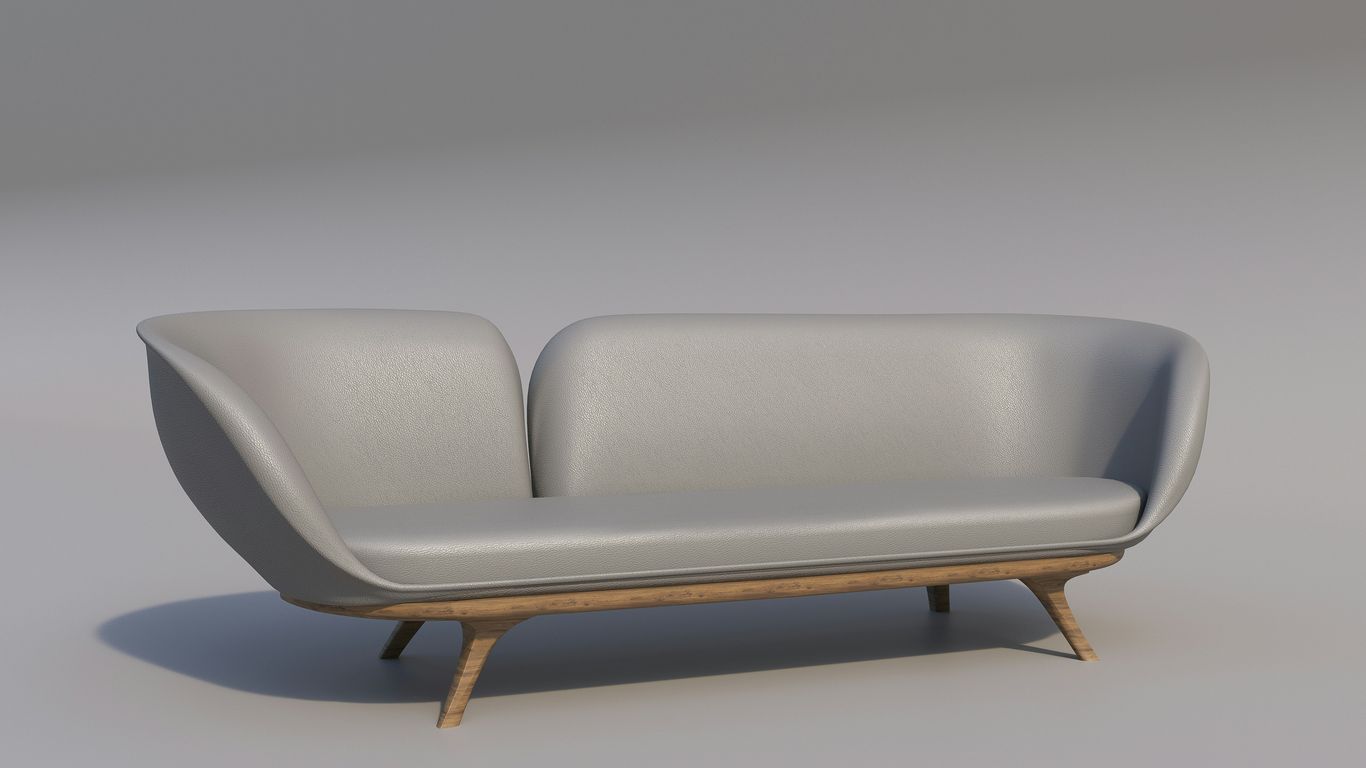
We’ve seen a big shift in how furniture is designed and presented, and 3D modeling plays a huge part in it. Instead of just sketching or building physical models, designers are now using 3D software to create digital prototypes. This lets them see exactly how a piece will look and function before any wood is cut or fabric is ordered. It’s a game-changer for saving time and money.
Creating these digital furniture prototypes involves a few key steps:
This process is super helpful for getting client feedback. Imagine showing a client a realistic render of a custom sofa before it’s even built. They can see it in their own space, virtually, and suggest changes. This kind of visualization is why many companies are looking for 3D artists who can handle furniture design projects. It really speeds up the approval process and reduces costly mistakes.
The ability to iterate quickly on designs in 3D means fewer physical samples are needed. This not only cuts down on material waste but also allows for more creative exploration. We can test out different leg styles, armrest shapes, or fabric patterns without any real-world limitations.
We’re seeing a lot of demand for artists who can create not just static images, but also interactive 3D models that clients can explore online. This makes the whole experience more engaging and helps sell the product even before it hits the showroom floor.
Character sculpting is a really cool niche for 3D artists. We’re talking about bringing imaginary beings to life, from fantasy creatures to realistic people. It’s not just about making something look pretty; it’s about giving it personality and a story. The demand for unique characters is growing across games, animation, and even collectibles.
We often get hired to create characters for video games, of course. Think about all those heroes, villains, and even background NPCs – they all start as digital sculptures. Then there’s the animation industry, where characters need to be expressive and believable. And don’t forget about the rise of 3D printed collectibles and figurines; people love having physical representations of their favorite characters.
Here’s a quick look at what goes into it:
It’s a process that requires a good eye for anatomy, form, and detail. You really need to understand how things are built, even if you’re making something totally fantastical. It’s about building believable forms, no matter the subject.
The key is to capture the essence of the character. Is it menacing? Is it friendly? Is it ancient? That feeling needs to come through in the sculpt itself, even before any color or texture is added. We spend a lot of time just looking at the silhouette and the primary forms to get that right.
We’ve seen a lot of freelance gigs pop up for artists who specialize in specific types of characters, like stylized creatures or hyper-realistic portraits. It’s a field where your artistic skill really shines through.
Working on virtual reality environments is pretty wild these days. The demand has only exploded since last year—everyone from small studios to big tech companies wants a piece of VR. We get to build places people actually step into, not just stare at on a screen. It’s a different way of thinking about 3D art because scale and presence matter a lot more now.
We’re asked to create all kinds of things: apartments for real estate tours, wild fantasy forests, classrooms, and even fake coffee shops for training simulations. Making these spaces means thinking about how people experience them, not just how they look. Objects need just the right amount of detail (so things load fast), and layout is important so nobody bumps into virtual walls—or real ones when using VR goggles.
Here are a few things we usually keep in mind:
Building VR environments for clients is sometimes tricky, but watching someone explore our work and react in real time always makes the headaches worth it.
Exploring virtual reality environments can be a game-changer for many businesses. Imagine stepping into a digital world to test designs or train staff in a safe space. It’s like having a superpower for your company! Want to see how this cutting-edge tech can help your business grow? Visit our website to learn more.
Looking ahead to 2026, it’s clear that the world of 3D art is still growing. We’ve talked about some solid ways to make a living with our skills, from making game assets to designing products people can actually buy. It might seem like a lot, but remember, we all started somewhere. Don’t be afraid to try different things and see what sticks. Keep practicing, keep learning, and don’t forget to connect with other artists. The freelance path isn’t always easy, but with the right approach, we can definitely build a good career doing what we love.
We can find lots of cool jobs making buildings look real in pictures, creating realistic pictures of products before they’re made, and designing characters and objects for video games. These are super popular right now!
Yes, we’ll need some specific tools. Programs like Blender, Maya, or 3ds Max are common. Many are free to start with, which is great for us beginners.
Pay can really change depending on the project and how good we are. Some jobs pay by the hour, others by the project. As we get more experience, we can ask for more money.
It can take some effort at first. We should build a strong online portfolio showing our best work. Using freelance websites and networking with people can help us find work.
Being able to understand what the client wants is key. Also, being good at using our 3D software and having a good eye for detail and design really helps us stand out.
Absolutely! Most freelance 3D art jobs let us work from anywhere with a computer and internet. This means we have a lot of freedom to set our own schedule.