
We’ve all seen how the internet changed things, right? For Filipinos, it’s been a big deal, especially when it comes to staying connected. We’re talking about how we all hang out online now, sharing stuff and keeping up with each other, no matter where we are. It’s pretty wild to see how many different groups and spaces have popped up for us online. Let’s take a look at this whole filipino online world we’ve built.
It feels like just yesterday we were all figuring out how to send an email, and now look at us. The Philippines has really jumped into the digital world with both feet. We’re seeing more and more people online, connecting in ways we never thought possible. It’s changed how we interact, how we learn, and even how we keep up with family and friends, especially those living far away.
This shift isn’t just about having a smartphone; it’s a whole change in how things work. Businesses are moving online, government services are becoming more accessible through the internet, and even our daily routines are getting a digital makeover. Think about how many more people are shopping online now, or using apps for pretty much everything. It’s a big deal, and it’s happening fast. We’ve seen a significant increase in mobile connections, with millions more people getting online each year. This growth is a clear sign of how much we’re embracing the digital age.
One of the coolest parts of this digital wave is how it brings us all closer, no matter where we are. If you have family or friends abroad, you know how much easier it is now to video call or share updates instantly. It’s like the distance just shrinks away. This ability to connect across borders has really changed the game for maintaining relationships and sharing our lives with loved ones who are far from home. It’s amazing how technology helps us bridge those miles.
Being online so much has definitely changed our social lives and how we share our culture. We’re not just talking to people in our neighborhood anymore; we’re chatting with folks from all over the world. This means we’re sharing our traditions, our food, our music, and our stories with a much wider audience. It’s a two-way street, too; we’re also learning about other cultures and perspectives. This constant exchange is making our online spaces really vibrant and interesting. It’s a dynamic environment where ideas and traditions are constantly being shared and adapted. We’re seeing a lot more cross-cultural conversations happening, which is pretty neat.
The speed at which we’ve adopted online tools has been remarkable. It’s not just a trend; it’s a fundamental shift in how we live, work, and play. This digital transformation is reshaping our society in profound ways, opening up new avenues for communication and participation.
Here are some key aspects of this digital shift:
This whole digital transformation is really something to watch. It’s changing how we live and connect every single day. We’re all part of this evolving online world, and it’s exciting to see where it goes next. You can find more information about the growth in mobile connections here.
It’s pretty amazing how many different places Filipinos hang out online these days. We’re not just on one or two sites; we’ve spread out across the digital world, finding spots that fit just about any interest you can imagine. These online spaces have become extensions of our communities, both big and small.
When we talk about online spaces, social media is usually the first thing that comes to mind, right? For us Filipinos, platforms like Facebook, Instagram, and TikTok are huge. We use them for everything – keeping up with friends and family, sharing daily life, following news, and even discovering new trends. It’s where a lot of our online interactions happen, from casual chats to organizing events. We see groups dedicated to specific cities, hobbies, or even just sharing funny memes. It’s a constant stream of connection and information.
Beyond the big social media giants, there are tons of smaller, more focused online spots. Think about forums dedicated to specific hobbies, like photography, cooking, or even collecting vintage items. We find these places when we’re really into something and want to connect with others who get it. It’s great for asking detailed questions and getting advice from people who have been doing it for years. These forums often feel more personal, like a club where everyone knows each other’s passion.
And then there’s the whole world of gaming and entertainment. Online gaming communities are massive. We have groups for popular games where players team up, share strategies, and just hang out. It’s not just about playing; it’s about the friendships that form. Streaming platforms and fan pages for movies, TV shows, and music also create vibrant spaces. We discuss plot twists, share fan art, and celebrate our favorite artists together. It’s a fun way to connect over shared entertainment.
These diverse online spaces show how adaptable and connected we are as a people. We find ways to gather, share, and build relationships, no matter the distance or the platform.
Here’s a quick look at how we use some of these spaces:
It really highlights how the internet has given us so many ways to find our people and share what we love.
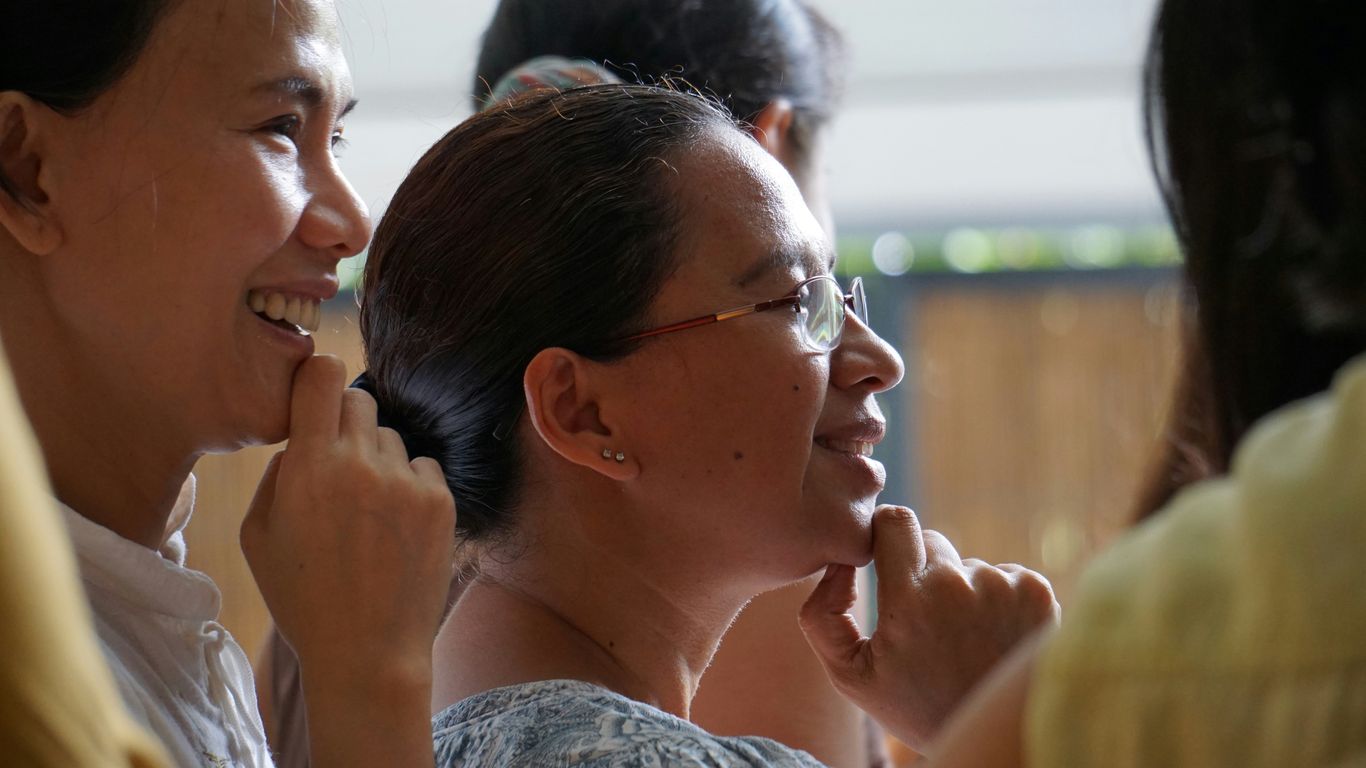
It’s amazing how the internet has changed the way we connect with each other, especially for us Filipinos. We’ve always been a people who value relationships, and online groups have become a huge part of that. These digital spaces allow us to build and maintain connections in ways that were harder before.
We’ve found so many friends online, people who get us. Whether it’s a group for people who love a certain hobby, or just a general chat group for folks from the same hometown, these communities offer a real sense of belonging. It’s not just about having fun; these groups often become places where we can share our problems and get advice. We’ve seen members offer each other support during tough times, celebrate successes, and just be there for one another. It feels like having an extended family, even if we’ve never met in person.
Sometimes, the most genuine connections are formed when we find people who truly understand our unique experiences, and online groups make that possible on a scale we never imagined.
Keeping up with family, especially when they’re spread out across the globe, used to be a real challenge. Now, with Facebook groups, Viber chats, and other platforms, it’s so much easier. We can share photos, update each other on daily life, and even plan family get-togethers. It’s common to see groups dedicated to specific branches of a family, where aunts, uncles, cousins, and even distant relatives can stay connected. It helps bridge the distance and keeps those family ties strong.
Beyond personal connections, online groups are also great for our careers. There are many LinkedIn groups and Facebook pages specifically for Filipino professionals in different fields. We can share job openings, discuss industry trends, and even find mentors. It’s a way to expand our professional circle without geographical limits. We’ve heard stories of people finding new jobs or business partners just by being active in these online communities. It really shows how these groups can open doors for us.
We see so much of our culture come alive online these days. It’s pretty amazing how Filipinos use the internet to share and keep our traditions going.
Filipino online groups are fantastic places for sharing our heritage. Think about it: people post recipes for classic dishes like adobo or sinigang, complete with step-by-step photos. We also see discussions about fiestas, local festivals, and even how to properly observe holidays like Christmas and Holy Week. It’s a digital archive of our collective memory. We share stories about our grandparents, old family photos, and explanations of cultural practices that might be fading in everyday life. It feels like we’re all contributing to a living museum.
Language is a big part of who we are, and online spaces are helping keep it alive. Many Filipinos speak different dialects, and online forums are where we can use them freely. People share slang, common phrases, and even teach each other words from their regional languages. It’s not just about Tagalog; you’ll find groups dedicated to Ilocano, Cebuano, Hiligaynon, and many others. This digital space helps prevent these languages from being forgotten, especially by younger generations who might be living far from their roots.
Our creativity really shines through online. We see a lot of original art, music, and writing inspired by Filipino culture. People share digital paintings of Philippine landscapes, compose songs with OPM (Original Pilipino Music) vibes, and write short stories or poems that reflect our experiences. Some groups even focus on collaborative storytelling, where members build a narrative together. It’s a way for us to express our identity and connect with others who appreciate the same things.
The internet has given us a new canvas to paint our cultural identity on. It’s accessible, it’s dynamic, and it allows for a level of participation that traditional media often can’t match. We’re not just consumers of culture; we’re active creators and curators.
Here are some common ways we express culture online:
So, we’ve talked a lot about how awesome Filipino online communities are, but let’s get real for a second. Like anything online, there are things we need to keep in mind to make sure our experiences are good ones. It’s not just about jumping in; it’s about knowing how to move around safely and respectfully. The Philippines’ digital landscape is growing fast, and with that comes the need for us to be smart users. Digital transformation in the Philippines is happening, and we’re all part of it.
This is a big one. We’ve all seen those comment sections that get a bit wild, right? Filipino culture often emphasizes politeness and respect, and that should carry over online. Think of it as extending the same courtesy you’d give someone face-to-face. We should try to be mindful of how our words might come across. It’s about constructive conversations, not just shouting into the void. Here are a few pointers:
This is probably the most important part. We share a lot online, sometimes without even thinking about it. It’s easy to get caught up in the fun and forget that not everyone online has good intentions. We need to be careful about what personal information we put out there. Things like your full name, address, or even your daily routine can be used in ways we don’t want. It’s about protecting ourselves and our families. We should all get into the habit of checking our privacy settings regularly on different platforms. It’s not about being paranoid, it’s about being aware.
We need to remember that our online actions have real-world consequences. Being responsible digital citizens means protecting our personal data and being cautious about who we interact with.
With so much information flying around, how do we know what’s true? This is a challenge for everyone, not just us. Misinformation can spread like wildfire, and it can cause real problems. We should always try to cross-reference information, especially if it seems a bit unbelievable or is designed to make us feel a certain way. Look for reputable sources, check the date of the information, and see if other trusted sites are reporting the same thing. It’s better to be a little skeptical than to be fooled.
Here’s a quick checklist when you see something online:
We’re standing at the edge of something pretty exciting when we look at how Filipino online communities are shaping up. It feels like things are just getting started, and the pace of change is wild.
Think about how fast things move online. New apps and ways to connect pop up all the time. We’re seeing more interest in platforms that offer different ways to interact, not just the usual social media feeds. Maybe it’s more immersive experiences or tools that let us create and share content in brand new ways. The internet adoption in the Philippines has been huge, with so many people now online making the digital world accessible. This means more people are joining these communities, bringing fresh ideas and energy.
Influencers aren’t just about product reviews anymore, are they? We’re seeing them become more like community leaders, guiding conversations and even shaping opinions on important topics. Their role is changing, and it’s interesting to watch how they’ll continue to influence discussions and trends within Filipino online spaces. It’s not just about follower counts; it’s about genuine connection and impact.
As our online lives get bigger, so does the need to be good digital citizens. This means understanding how to act online, respecting others, and knowing how to spot fake news. It’s about building a safer and more positive online world for everyone. We need to be mindful of our actions and how they affect others.
Being a good digital citizen means more than just being polite online. It’s about actively contributing to a healthy online environment, being aware of digital rights and responsibilities, and using technology ethically. It’s a skill we all need to develop as we spend more time connected.
Here are a few things we think are important for this:
Filipino online groups are growing fast! These digital spaces are becoming super important for people to connect, share ideas, and even find jobs. It’s exciting to see how these communities are shaping the future. Want to be part of this growing scene? Check out our website to find amazing Filipino talent or discover your next job opportunity!
So, we’ve taken a look at how Filipinos connect online. It’s pretty amazing, really, how many different groups and spaces there are. From sharing recipes to talking about the latest shows, there’s a place for almost everyone. We saw how these communities help people stay in touch, find others with similar interests, and even get support when they need it. It’s clear that these online hangouts are a big part of life for many of us. We hope this exploration gives you a better idea of the rich online world Filipinos have built together. It’s a dynamic space, always changing, and it’s definitely worth paying attention to.
Filipinos love to connect! With more people getting online, it’s easier than ever for us to find others who share our interests, whether it’s hobbies, family matters, or just chatting. It’s like having a big digital neighborhood where we can all hang out and share what’s on our minds.
We do a lot! We share cool pictures and stories, help each other out when we have problems, plan events, and even keep up with family who live far away. Some groups are for talking about movies, others for sharing recipes, and many are just for having fun and making friends.
Generally, yes, but we always need to be careful. Just like in the real world, it’s smart to be aware of who we’re talking to. We should avoid sharing too much personal info, like our address or bank details, and report anyone who makes us feel uncomfortable.
That’s a great question! We should always double-check what we read. If something sounds unbelievable or is trying to make us angry, it might not be true. Looking at different websites or asking people we trust can help us figure out what’s real.
Definitely! Online spaces give us a fantastic way to show off our traditions, teach others our languages, and share all sorts of cool Filipino art and music. It helps keep our culture alive and lets people all over the world see how amazing it is.
We think they’ll keep growing and changing. New apps and websites will pop up, and maybe even new ways to connect will be invented. We’ll likely see more people using these spaces to learn, share, and build even stronger bonds as Filipinos, both at home and abroad.