
Thinking about a career change into healthcare? We’ve put together this guide to help you find the best online medical assistant program for your needs in 2026. It’s a field with steady demand, and online learning makes it more accessible than ever. We’ll walk you through what to look for, what you’ll learn, and how to get started. We want this to be a straightforward look at your options, so you can make a good choice.
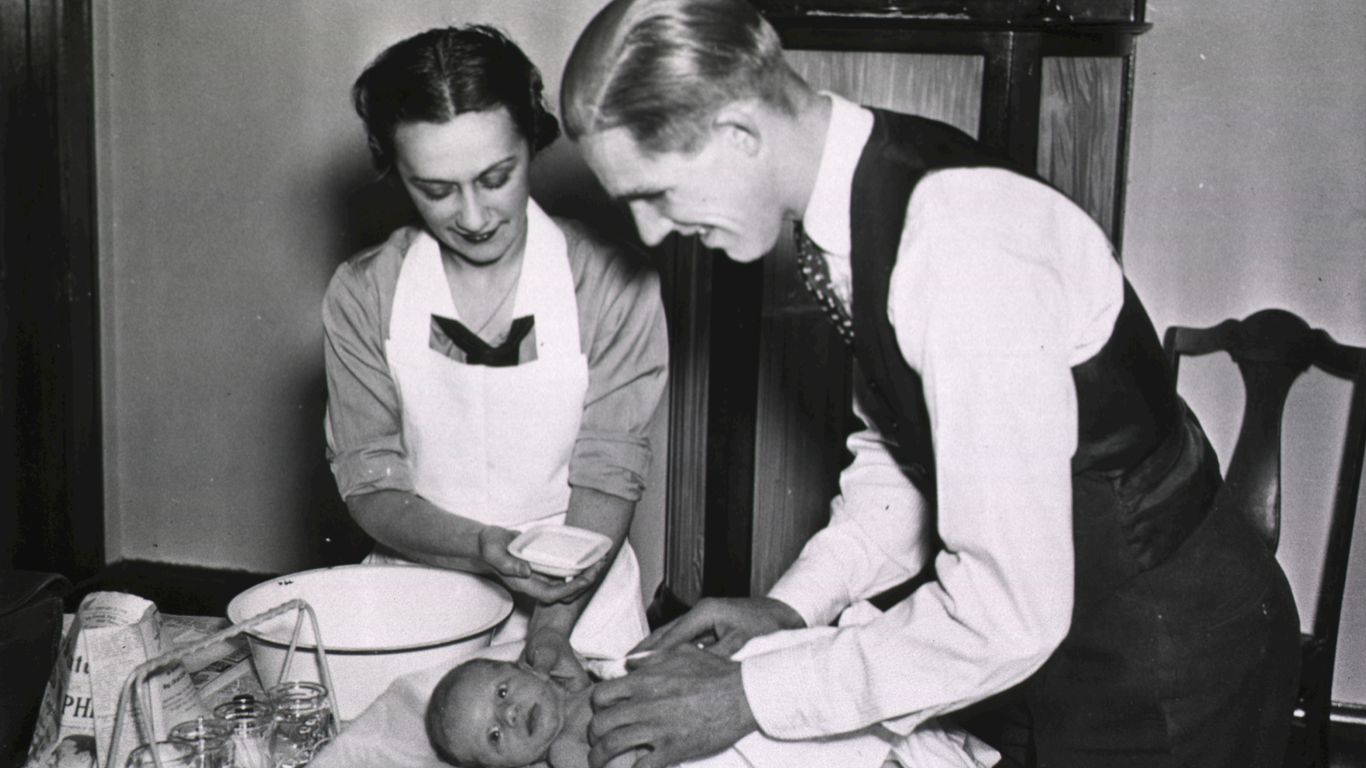
So, what exactly does a medical assistant do? We often get asked this, and it’s a good question because their role is pretty varied. Think of them as the backbone of many healthcare settings, helping out with both patient care and office tasks. They’re the folks you might see taking your vitals before the doctor comes in, or the ones scheduling your next appointment.
Medical assistants are vital members of the healthcare team, bridging the gap between clinical duties and administrative responsibilities. They work in a lot of different places – doctor’s offices, clinics, hospitals, and even specialized practices. Their day can be quite busy, switching between different kinds of work.
Here’s a quick look at some of their main duties:
It’s a role that requires a good mix of technical skills and people skills. You need to be organized, detail-oriented, and able to handle sensitive information with care. Plus, being able to stay calm under pressure is a definite plus, especially in busy clinics.
The medical assistant role is really about supporting the entire healthcare process. They ensure that both the patient’s needs and the operational flow of the practice are met smoothly. It’s a hands-on job that directly impacts patient experience and the efficiency of the medical office.
So, you’re looking into becoming a medical assistant, and the idea of doing it all online sounds pretty good, right? We get it. The flexibility is a huge draw. You can often fit classes around work, family, or whatever else life throws your way. These programs aim to give you the skills needed for both clinical and administrative tasks in a healthcare setting.
When we looked at the options for 2026, we saw a lot of variety. Some programs are super quick, maybe a few months, while others take longer, closer to a year or more. It really depends on how much you want to learn and how fast you can go.
Here’s a quick rundown of what you might find:
It’s not just about sitting in front of a screen, though. Many online programs still require hands-on practice. You might have to visit a local lab or clinic for certain skills, or they might send you materials to practice with at home. We found that the best programs make this part clear upfront so there are no surprises.
We noticed that the quality can really vary between schools. Some have great instructors who are actual medical professionals, and their course materials are up-to-date. Others… well, not so much. It pays to do your homework on the school itself, not just the program they offer.
When we’re looking at online medical assistant programs, one of the first things we absolutely need to check is accreditation. It sounds a bit dry, but it’s super important for your future career. Basically, accreditation means a program has met certain quality standards set by an independent agency. Without it, your diploma might not be worth much to employers, and you could have trouble getting licensed or certified later on.
Think of it like this: you wouldn’t want to get medical advice from someone who didn’t go to a recognized school, right? The same applies to your education. Accredited programs have gone through a review process, and their curriculum, instructors, and resources have been vetted. This gives us some confidence that we’re getting a solid education.
So, what should we look for? The main accrediting bodies for medical assistant programs are the Commission on Accreditation of Allied Health Education Programs (CAAHEP) and the Accrediting Bureau of Health Education Schools (ABHES). Some programs might also be accredited by regional or national agencies, but for medical assisting specifically, CAAHEP and ABHES are the ones to focus on.
Here’s a quick rundown of why it’s a big deal:
It’s easy to get caught up in program costs or how quickly you can finish, but skipping the accreditation check is a mistake we can’t afford to make. It’s the bedrock of a legitimate qualification. We need to make sure our investment in education leads to a recognized credential.
When you’re browsing programs, look for clear statements about their accreditation status on their website. If it’s not obvious, don’t hesitate to ask the admissions office directly. It’s better to be sure now than to find out later that your hard work didn’t lead to the qualification you expected.
When we look at online medical assistant programs, the curriculum is really the heart of it all. It’s what prepares you for the job, you know? We’ve seen a lot of different programs, and they generally cover a mix of things, both clinical and administrative. It’s not just about memorizing facts; it’s about learning how to apply that knowledge in a real healthcare setting.
Most programs will break down the coursework into a few key areas. You’ll typically find modules on:
The goal is to give you a solid foundation across the board. You’ll also spend time learning about different medical conditions and how to document patient encounters. It’s a lot to take in, but it’s all designed to build your confidence step-by-step.
We’ve noticed that the better programs really emphasize practical application. They might use simulations or case studies to help you practice what you’re learning. It’s not just about reading a textbook; it’s about figuring out how you’d handle a situation if it happened in a clinic.
Think of the curriculum as your roadmap. It guides you through all the necessary knowledge and skills. Without a clear map, you might get lost or miss important stops along the way. That’s why checking the course list is a big deal when picking a program.
When we talk about medical assisting, the clinical side is where a lot of the hands-on patient care happens. Online programs do a good job of teaching the theory, but you’ll need to get practical experience too. These skills are what set medical assistants apart in patient interaction.
Think about what a medical assistant actually does day-to-day. They’re often the first point of contact for patients, taking vital signs, helping with examinations, and sometimes even giving injections or drawing blood. So, what kind of clinical skills are we talking about?
It’s not just about knowing how to do these things, but also why and when. For example, knowing the normal ranges for vital signs and what might indicate a problem is just as important as knowing how to use the equipment.
The clinical skills you develop are directly related to patient safety and comfort. Accuracy and attention to detail are non-negotiable. You’re not just performing a task; you’re contributing to the patient’s overall care and diagnosis. This requires a steady hand and a calm demeanor, especially when dealing with anxious patients.
Most online programs will cover these topics through lectures, videos, and simulations. However, the real learning often comes during the hands-on practice, which usually happens during an externship or in a lab setting. Getting comfortable with these clinical procedures takes repetition and feedback.
Beyond the clinical side, medical assistants handle a lot of the behind-the-scenes work that keeps a medical practice running smoothly. We’re talking about the administrative tasks that are just as important as patient care. These skills are what allow healthcare providers to focus on their patients without getting bogged down in paperwork.
Think about scheduling appointments. It sounds simple, but it requires a good understanding of provider availability, patient needs, and sometimes even insurance pre-authorizations. We also manage patient records, which involves accurate data entry, filing, and sometimes retrieving information quickly. This is where attention to detail really comes into play.
Here are some key administrative duties we handle:
We also often handle correspondence, like sending out appointment reminders or follow-up instructions. It’s a lot of juggling, but it’s rewarding to know we’re contributing to the efficient operation of the clinic. Learning these skills is a big part of any good medical office assistant program, like the one described on b6fd.
The administrative side of healthcare might not be as glamorous as performing procedures, but it’s absolutely vital. Without organized administrative support, even the best clinical care can falter. We are the gatekeepers of information and the facilitators of patient flow, making sure everything happens on time and accurately.
We also deal with insurance verification, which can be a whole other ballgame. Understanding different plans and what they cover is a skill in itself. It’s about making sure patients know what to expect financially and that the practice gets reimbursed properly. It’s a constant learning process, but that’s part of what makes the job interesting.
So, you’ve been hitting the books, learning all about medical terminology, patient care basics, and how to keep a clinic running smoothly. That’s great, but what happens when it’s time to actually do the job? That’s where externships come in. Think of it as your real-world training ground, the place where all that classroom knowledge meets actual patients and practice.
Most online medical assistant programs include an externship component. It’s usually a required part of your curriculum, and for good reason. This is your chance to get hands-on experience in a real healthcare setting. We’re talking about clinics, doctor’s offices, hospitals, or other medical facilities. You’ll be working alongside experienced professionals, observing, and participating in daily tasks. It’s not just about ticking a box; it’s about building confidence and practical skills.
What can you expect during an externship? Well, it varies, but generally, you’ll be doing things like:
The length of an externship can differ quite a bit between programs. Some might be a few weeks long, while others could extend for a couple of months. The number of hours required also varies. For example, we’ve seen programs that require anywhere from 100 to 300 hours of supervised practice.
Finding the right externship site can feel like a big step. Your program’s externship coordinator will typically help you find a placement that fits your learning goals and is conveniently located. They often have established relationships with various healthcare facilities, which can make the process much smoother. It’s a good idea to be open-minded about where you might do your externship, as different settings offer unique learning experiences.
Some programs might even help you with resume building and interview skills specifically for securing your externship placement. It’s all part of preparing you for that first step into your medical assisting career. Don’t underestimate the networking opportunities either; you might meet people who could be references or even offer you a job down the line.
When we look at the cost of online medical assistant programs, it’s not a one-size-fits-all situation. Prices can really vary depending on the school, the length of the program, and what’s included. Some programs might seem cheaper upfront, but then tack on extra fees for materials or certification exams later on. It’s super important to get a clear breakdown of all potential costs before you sign up.
Generally, you can expect to see costs ranging from a few thousand dollars to upwards of $15,000 or more. This often depends on whether you’re looking at a certificate program, an associate’s degree, or a bachelor’s degree. Shorter certificate programs are usually the most budget-friendly, while associate’s and bachelor’s degrees will naturally cost more due to the extended curriculum.
Here’s a rough idea of what you might encounter:
Don’t forget to factor in other expenses too. You might need to buy textbooks, uniforms, lab supplies, and potentially pay for background checks or specific software. Some programs also require an externship, and there could be costs associated with that, like travel or specific attire.
Always ask for a detailed list of all fees, including tuition, books, supplies, technology fees, and any other charges. Understanding the total investment upfront helps avoid surprises down the road and allows for better financial planning.
Thinking about going back to school for a medical assistant program can feel overwhelming, especially when you look at the costs. But don’t let that stop you! We’ve found that there are quite a few ways to make it work financially. Many programs offer payment plans that break down the tuition into manageable monthly installments. This can make a big difference compared to paying a large sum upfront.
Beyond payment plans, there are other avenues to explore. We’ve seen students successfully use a mix of these options:
When looking into financial aid, it’s always a good idea to speak directly with the admissions or financial aid office at the schools you’re interested in. They can guide you through their specific processes and any aid they might offer directly.
We also found that some programs have specific institutional aid available, which could be grants or scholarships funded by the school itself. It’s worth asking about these directly. Don’t be shy about asking questions; the more you know, the better you can plan your finances for this exciting career step.
So, what does the future look like for us medical assistants? The good news is, it’s looking pretty bright. We’re seeing a real demand for people who can handle both the clinical and administrative sides of healthcare.
The medical assisting field is experiencing significant growth, with employment projected to increase by 16% between 2021 and 2031. That’s a pretty solid number, meaning more job openings are expected to pop up. This expansion indicates a rising demand for skilled professionals in this healthcare sector. It’s a good time to be getting into this line of work.
What does this mean for us on the ground? It means we can expect more opportunities in various settings. Think doctor’s offices, hospitals, specialty clinics, and even long-term care facilities. The variety is actually one of the cool things about this job; you’re not stuck in just one type of place.
Here’s a quick look at where we might find ourselves working:
The healthcare industry as a whole is growing, and medical assistants are right in the middle of it. We’re the ones helping things run smoothly, making sure patients are comfortable, and keeping the paperwork in order. It’s a role that’s becoming more and more recognized for its importance.
With this growth, we also have room to develop our skills and potentially move into more specialized roles or even supervisory positions down the line. It’s not just about getting a job; it’s about building a career. We can look forward to a stable and rewarding path in healthcare. If you’re thinking about starting your journey, exploring online medical assistant programs is a great first step.
Thinking about your future job prospects? The demand for skilled workers is growing, and many companies are looking for talented individuals just like you. If you’re ready to take the next step in your career, explore the opportunities available. Visit our website today to see how you can connect with great jobs!
So, we’ve looked at a bunch of online medical assistant programs that seem pretty good for 2026. Picking the right one can feel like a lot, but remember, it’s about finding a fit for your life and what you want to learn. We hope this guide made things a little clearer. Think about what you need – maybe it’s a flexible schedule or a program with good job placement help. Whatever it is, there are options out there. We’re excited for you to start this new path. Good luck with your studies!
Basically, medical assistants are the helpers in doctor’s offices and clinics. We do a bit of everything! We might greet patients, help them fill out forms, take their vital signs like temperature and blood pressure, and get them ready for the doctor. We also help with lab tests and sometimes give shots. It’s a busy but important job helping keep things running smoothly.
Yes, you absolutely can! Many schools now offer online programs that teach you all the skills you need. You’ll learn about medical terms, how to work with patients, and how to handle office tasks. Some programs might require you to do some hands-on training in person, but a lot of the learning happens right from your home.
Oh, definitely! Accreditation is like a stamp of approval that says the school and its programs meet high standards. It’s super important because it shows employers that you’ve received good training. Plus, if you want to get certified later on, most certifying bodies require that your program was accredited.
We’ll cover a lot of ground! You’ll learn about medical terms and what they mean, how to talk to patients kindly and professionally, and how to keep patient records safe and organized. We also cover basic medical procedures, like taking blood pressure, and how to use office equipment. It’s a mix of learning about the body and learning how to run a medical office.
While you can learn the theory and procedures online, some skills, like drawing blood or giving injections, need real-life practice. Many online programs include a part called an externship or clinical rotation. This is where you go to a real clinic or hospital to practice what you’ve learned under the supervision of professionals. It’s a great way to build confidence.
The time it takes can vary. Some programs are shorter, maybe around a year, while others might take a bit longer, like two years. It often depends on whether you’re going for a certificate or an associate’s degree, and how many classes you take at once. We find that most students can finish within a reasonable timeframe.