
We’re looking at what makes a good architectural assistant. It’s not just about drawing lines; there’s a lot more to it. We need to be good with computers, know how buildings go together, talk to people well, and keep projects on track. Plus, knowing the rules and how to fix problems is a big part of the job. Let’s break down the skills we, as architectural assistants, need to do our best work.
We spend a lot of our time in front of a screen, and for good reason. The tools we use shape how we work and what we can produce. Getting good with design software isn’t just about knowing how to click buttons; it’s about making the software work for us, turning ideas into buildable plans.
We all know AutoCAD is pretty standard. We need to be comfortable drawing lines, arcs, and dimensions accurately. But the real game-changer is Building Information Modeling, or BIM. Software like Revit lets us build a virtual model of the building, not just a flat drawing. This means all the information is linked. Change a wall in one view, and it updates everywhere – plans, sections, elevations. It saves so much time and stops those annoying errors where a door in the plan doesn’t match the elevation.
Beyond the technical drawings, we need to show clients what the building will actually look like. This is where 3D modeling comes in. Software like SketchUp or Rhino lets us quickly create models from our 2D plans. Then, we can use rendering programs like V-Ray or Lumion to make these models look realistic. Good visualizations help everyone understand the design, spot potential issues, and get excited about the project. It’s not just about pretty pictures; it’s about clear communication.
We need to be able to take a 2D design and turn it into a 3D model that accurately represents the space and materials. This helps everyone involved see the project as it will be.
Finally, we have to put all this work into a presentable format. This means using software like Adobe InDesign or Illustrator. We’ll use these to create presentation boards, reports, and other documents. It’s about arranging drawings, renders, text, and other graphics in a way that is clear, organized, and looks professional. A well-designed presentation can make a big difference in how a project is received. We need to know how to set up layouts, choose fonts, and manage graphics effectively.
We need to get good at making drawings and keeping project files organized. It’s not just about pretty pictures; it’s about clear instructions so buildings get built right. This is where the rubber meets the road for architectural assistants.
Think of plans and sections as the building’s DNA. Plans show us a horizontal slice, like looking down from above after cutting through the building at a certain height. Sections are vertical slices, showing what the inside looks like from the side. We have to be able to read these drawings fluently, understanding how different elements connect. It’s like learning a new language, but instead of words, we’re using lines, symbols, and dimensions. We spend a lot of time making sure these are accurate because mistakes here can cause big problems later on.
This is where we translate design ideas into buildable information. Construction drawings are the detailed blueprints that contractors use on site. They include everything from wall thicknesses and material call-outs to precise measurements and connection details. We often work with architects to flesh these out, making sure every detail is accounted for. It’s a meticulous process, and we use software like AutoCAD to make sure everything is precise. Beginners can build AutoCAD skills for drafting careers through structured practice, not innate talent. CourseCareers offers a proven method to develop this proficiency.
Keeping track of all the paperwork and digital files is a huge part of our job. This includes everything from initial design sketches and client approvals to contractor submittals and final as-built drawings. We need systems in place to organize this information so it’s easy to find when needed. A well-managed project folder makes everyone’s life easier and helps avoid costly errors. We often use shared drives and specific naming conventions to keep things tidy.
Good documentation isn’t just about filing things away; it’s about creating a clear, traceable history of the project. This helps us learn from past decisions and ensures accountability throughout the construction process.
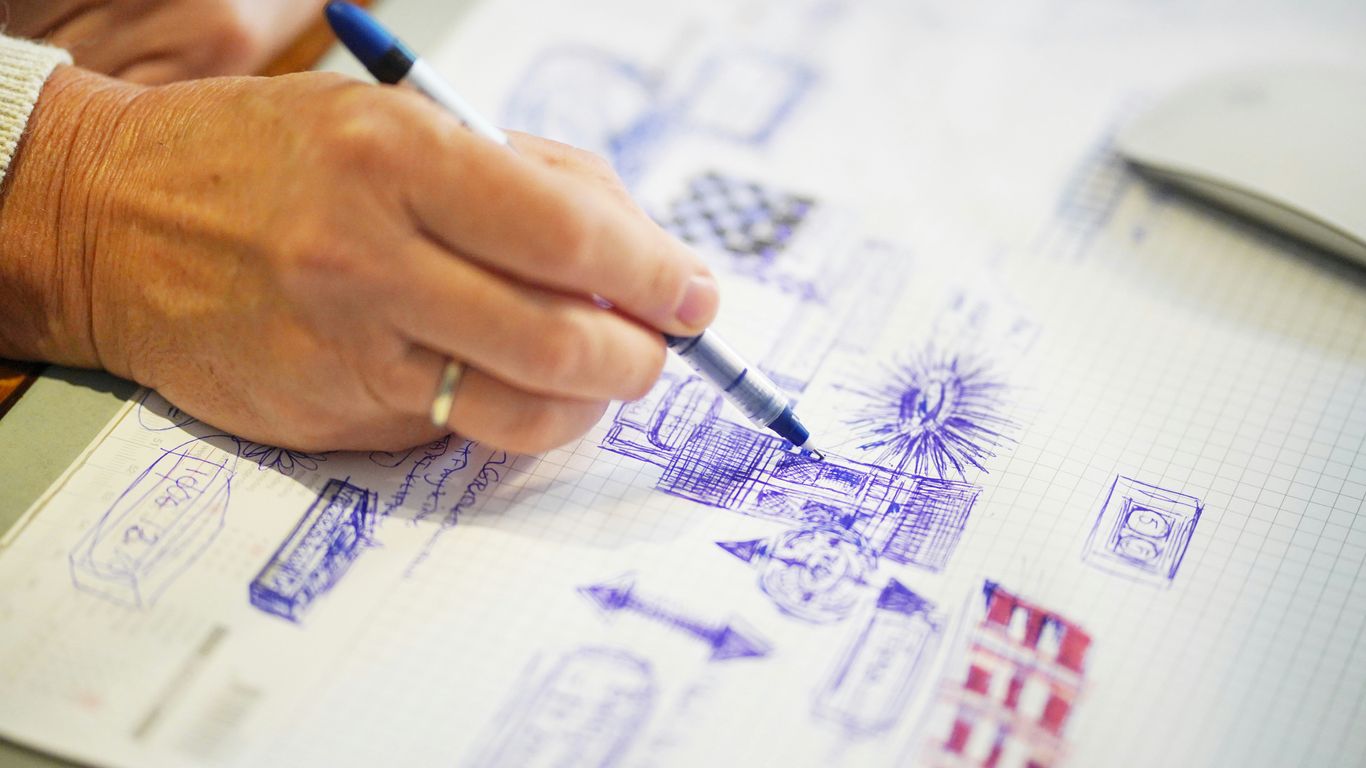
We all know that architecture isn’t a solo sport. Even the most brilliant designs need to be shared, understood, and built by a team. That’s where our communication and collaboration skills really come into play. It’s not just about talking; it’s about making sure everyone’s on the same page, from the client to the contractor.
Talking with clients can be a bit nerve-wracking sometimes, right? They have a vision, and we have the technical know-how to make it happen. Our job is to listen carefully to what they want, ask good questions, and then explain our ideas clearly. We need to show them we get their needs and can translate them into a buildable design. This means being patient, honest about what’s possible, and keeping them in the loop about progress. It’s about building trust.
Working with other architects and consultants, like structural engineers or MEP specialists, is a daily thing. We have to share our drawings, discuss potential issues, and find solutions together. Sometimes, our ideas might clash a little, but that’s okay. The goal is to work through those differences to get the best outcome for the project. Good teamwork means respecting each other’s input and being open to different perspectives.
We send a lot of emails, write reports, and give updates. It’s important that what we write is easy to understand. No one wants to read a confusing email or a report full of jargon. The same goes for talking. When we explain something, we need to be direct and to the point. This helps avoid mistakes and keeps projects moving smoothly. Clarity in our communication is key to avoiding costly errors down the line.
Sometimes, a quick sketch or a simple diagram can explain something much better than a long paragraph. We should use whatever tools work best to get our message across effectively.
Being an architectural assistant means we’re not just drawing lines. We’re part of making a project happen from start to finish. That means getting good at managing our time, keeping an eye on the money, and knowing where we are in the whole process. It’s about keeping things on track so the architect can focus on the big design ideas.
We all get swamped sometimes, right? Tasks pile up, deadlines loom. Learning to sort what’s most important and what can wait is key. We use a few tricks:
We don’t usually set the budget, but we definitely influence it. Knowing how our decisions impact costs is important. We need to be mindful of material choices, construction methods, and even how much time we spend on certain drawings. If we’re asked to source materials, we look for options that fit the budget without sacrificing too much quality. It’s a balancing act.
Every project moves through stages. We need to know what’s expected at each point. Think of it like this:
Being aware of these phases helps us anticipate what’s coming next and prepare the right information. It stops us from being caught off guard and makes the whole team more efficient. We’re not just reacting; we’re proactively contributing to the project’s flow.
Okay, so we’ve talked about software and drawing, but what about the rules? We can’t just design whatever we want, right? There are rules, and they matter. Knowing building codes and regulations is non-negotiable for us as architectural assistants. It’s not the most glamorous part of the job, but it’s absolutely vital.
Zoning laws are like the city’s way of saying where you can build what. You can’t just put a skyscraper in a neighborhood of single-family homes, for example. We need to know what’s allowed in terms of building height, setbacks (how far back from the property line you have to build), lot coverage (how much of the lot your building can take up), and what types of buildings are permitted in different areas. It’s all about making sure our designs fit into the existing community and don’t cause problems.
This is where things get serious. Building codes lay out the minimum requirements for safety. Think about fire resistance, structural integrity, accessibility for people with disabilities, and even things like ventilation and plumbing. We need to be aware of these standards so we don’t design something that’s unsafe or won’t pass inspection. It’s our responsibility to make sure the buildings we help design are safe for people to use.
Here’s the kicker: these codes and regulations aren’t static. They change. Sometimes it’s a minor tweak, other times it’s a significant update, especially when new technologies or safety concerns emerge. We have to make an effort to keep up. This might mean attending workshops, reading industry publications, or just making sure we’re using the latest versions of the code books. Ignoring changes can lead to major headaches down the line, like having to redesign parts of a project or facing delays.
It’s easy to think of codes as just a bunch of restrictions, but really, they’re there to protect people and the environment. They’ve been developed over time based on lessons learned, sometimes the hard way. So, while they can feel like a hurdle, they’re actually a guide to building better and safer structures for everyone.
Here’s a quick rundown of why this knowledge is so important:
We all run into snags in our work, right? As architectural assistants, we’re not just drawing lines; we’re figuring things out. It’s about looking at a problem, whether it’s a tricky site condition or a client’s changing mind, and finding a way forward. This isn’t something you’re just born with; it’s a skill we build over time, through practice and by really thinking about what we’re doing. It’s about developing that knack for seeing issues before they become big headaches.
Sometimes, the challenges aren’t obvious. They might be hidden in the site’s topography, the existing building’s structure, or even in how people will actually use the space. We need to get good at spotting these. It means asking a lot of questions, looking at plans from different angles, and sometimes just sitting with a problem for a while. We often find that the best way to start is by really digging into the project brief and understanding the core needs. It’s like being a detective for the building.
Once we know what the problem is, we have to come up with answers. This is where creativity really comes into play. It’s not just about finding an answer, but finding a good answer – one that works technically, looks good, and fits the budget. We might brainstorm with the team, sketch out a few different ideas, or look at how similar problems were solved on other projects. Sometimes, the most unexpected ideas turn out to be the best. We’ve found that looking at how others approach design problems can be really helpful, and there are some great resources out there that show different ways of thinking about architectural challenges.
This part can get a bit detailed. We need to be able to look at the technical side of things. If a design element isn’t working structurally, or if a material choice has unforeseen consequences, we have to figure out why and what to do about it. This involves understanding how buildings go together, what materials can do, and what the building codes say. It’s about being able to break down a complex technical problem into smaller, manageable parts. We often use checklists to make sure we’re not missing anything important when we’re reviewing technical details.
We learn a lot from our mistakes, but it’s even better when we can anticipate problems. Thinking ahead, considering different scenarios, and asking ‘what if?’ are all part of the process. It makes our work smoother and the final building better.
Here are some common areas where we apply this thinking:
Being able to tackle these issues head-on is what makes us a strong part of the architectural team. It’s about being resourceful and not afraid to think outside the box, while still keeping our feet on the ground with the practicalities of building design.
Want to boost your team’s ability to tackle tough challenges and think outside the box? Developing these skills is key for success. Visit our website to learn how we can help you find talented individuals ready to bring fresh ideas and solutions to your projects.
So, we’ve talked about a lot of things that go into being a good architectural assistant. It’s not just about drawing lines or picking materials, though those are part of it. We’ve seen how important it is to be organized, to communicate well with everyone, and to keep learning. Think of it like building something yourself – you need the right tools, a good plan, and the ability to fix things when they go wrong. We all have to start somewhere, and building these skills takes time and practice. But by focusing on these areas, we can all get better at our jobs and help make some really great buildings happen.
We really need to be good with design software. Think of programs like CAD (Computer-Aided Design) and BIM (Building Information Modeling) – they’re like our digital sketchpads and blueprints. Knowing how to make cool 3D models and pretty pictures is super important too, along with tools that help us make our presentations look sharp and professional.
Understanding how to read and create architectural plans, sections, and elevations is like learning the language of buildings. It helps us see how everything fits together, from the big picture down to the smallest detail. This skill is key for making sure everyone on the team knows exactly what needs to be built.
We need to practice talking clearly and listening well. This means being able to explain our ideas to clients so they understand, working smoothly with architects and other experts on our team, and writing notes or emails that are easy to follow. Good communication makes projects run a lot smoother.
Even as assistants, we help keep projects on track. This involves managing our time wisely, knowing how much things might cost, and understanding the different steps a project goes through from start to finish. It’s all about helping the project get done on time and within budget.
Yes, we absolutely do! Knowing the local rules about what we can build where, and understanding safety standards, helps us design things correctly and avoid problems later. It’s our job to make sure our designs follow all the necessary guidelines.
We need to be good at figuring things out. This means spotting challenges early, coming up with smart and creative ways to solve them, and thinking critically about any technical issues that pop up. It’s all about being a good problem-solver for the team.