
Getting started with graphic design freelance work can feel like a big step. We’ve all been there, looking at amazing portfolios and wondering how to even begin. This guide is meant to help you take those first steps, from building up your examples to actually landing that first paying client. We’ll break it down into manageable pieces so you can start your freelance journey with more confidence. It’s not always easy, but with a clear plan, it’s totally doable.
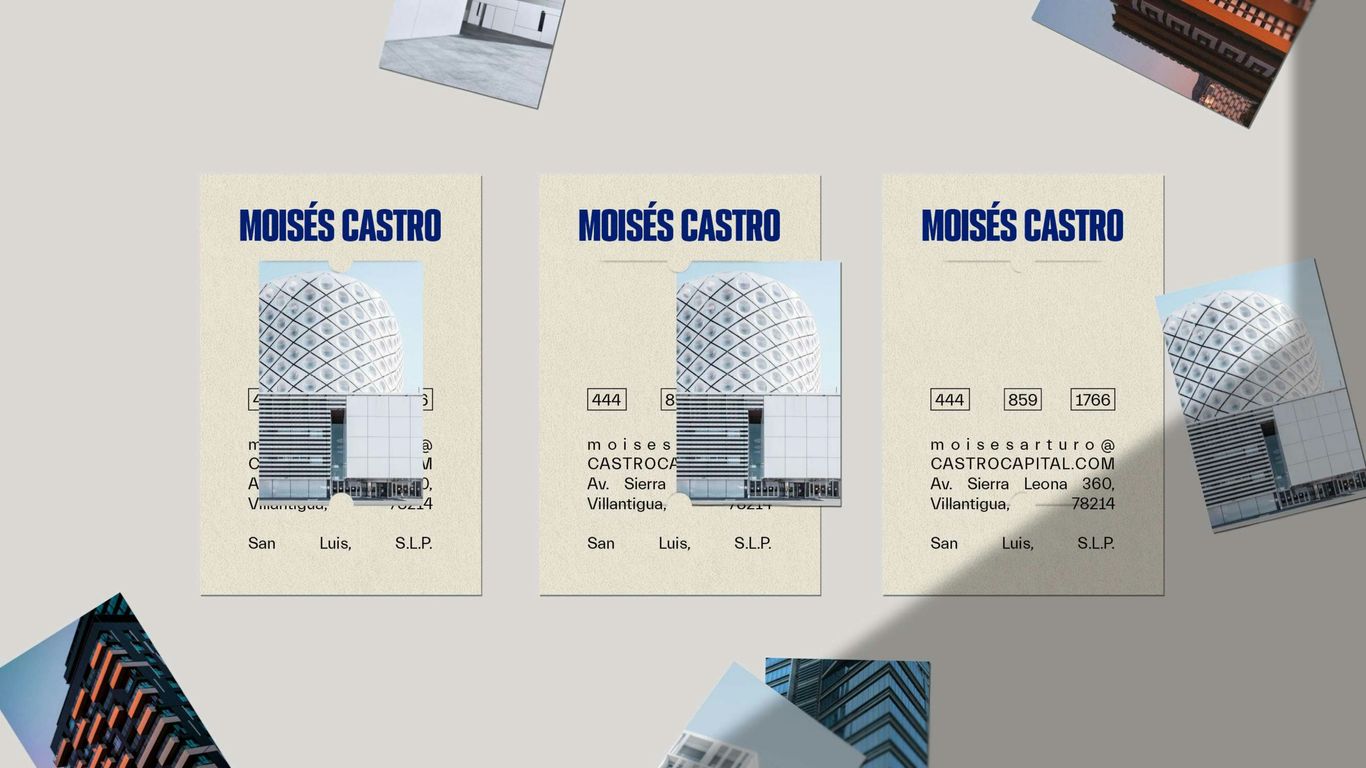
Okay, so you want to start freelancing in graphic design. That’s awesome! But before you can land any gigs, you absolutely need a portfolio. Think of it as your visual resume, the place where potential clients see what you can actually do. It’s not just about pretty pictures; it’s about showing them you can solve their problems with design.
We’ve all got our favorite tools and styles, right? But when you’re starting out, it’s smart to show you’re not a one-trick pony. Clients often look for designers who can handle a few different things. Maybe you’re great at logos, but can you also do social media graphics? Or perhaps you’ve got a knack for website mockups. Try to include a few projects that highlight these different abilities. It doesn’t mean you have to be a master of everything, just that you have a good range.
Just slapping up a finished design isn’t always enough. For a few key projects, we recommend writing a short case study. This is where you explain the why behind your design choices. What was the client’s problem? What was your approach? What was the outcome? This shows you think strategically, not just aesthetically. It helps clients understand your process and how you’d tackle their specific needs.
A good case study tells a story. It walks the client through your thinking, from understanding the initial brief to the final polished piece. It’s your chance to prove you’re more than just someone who can use design software.
This is a big one. If you want to design websites for small bakeries, your portfolio should probably feature some bakery-related website designs. If you’re aiming for tech startups, show them some sleek app interfaces or branding for tech companies. You don’t need a million projects to do this. You can even create speculative projects – meaning you design something for a fictional client or a real company you admire, just to showcase your skills in that area. The goal is to make it easy for a potential client to see themselves working with you.
So, you’re ready to start freelancing, but where do you even begin? It can feel a bit overwhelming with so many design paths out there. We found that figuring out your niche makes things a whole lot clearer. It’s like deciding what kind of food you want to cook before you go grocery shopping. You wouldn’t buy every ingredient in the store, right? Same with design. Focusing helps you become really good at one thing, which clients notice.
Think about what people actually need. Right now, a lot of businesses are looking for branding help – logos, color palettes, the whole package. Websites and apps also need constant design attention, from user interfaces to marketing graphics. Then there’s social media content; everyone needs eye-catching posts. We looked at a few job boards and saw a lot of requests for these.
Here are some areas that seem to be popular:
This is where it gets interesting. What do you actually like doing? If you hate drawing logos but love making animated social media posts, lean into that. Trying to force yourself into a niche you don’t enjoy is a recipe for burnout. We’ve seen designers who are super passionate about packaging, and their work just shines because of it. It’s about finding that sweet spot where what you love to do meets what clients are willing to pay for. Don’t just chase trends; find something you can stick with long-term. Building a strong designer profile is key here [dcfd].
We spent a lot of time trying different things when we first started. It felt like we were just throwing spaghetti at the wall. But once we narrowed down our focus to helping small businesses with their social media graphics, things really started to click. We got better, faster, and clients seemed happier because we understood their specific needs.
Who do you want to work with? Are you aiming for big corporations, small startups, or maybe local businesses? Thinking about this helps you tailor your portfolio and your marketing. If you want to design for tech companies, your portfolio should show that. If you prefer working with non-profits, highlight projects that align with their mission. Knowing your ideal client means you can speak their language and show them you’re the right fit. It makes finding work so much easier than just applying to anything and everything.
Okay, so you’ve got your portfolio looking sharp and you’re ready to start charging for your design skills. But how much? This is where a lot of new freelancers get stuck. It feels like a big deal, right? Getting your pricing wrong can mean either leaving money on the table or scaring clients away. We’ve all been there, staring at a blank invoice, wondering what number to put down.
This isn’t just about how long it takes you to do a job. It’s about what the result is worth to the client. Think about it: a logo for a tiny local shop might be less valuable to them than a logo for a startup looking to get major investment. The time you spend might be similar, but the impact is different. We try to figure out what problem our design solves for them. Does it help them get more customers? Does it make their brand look more professional? That’s the value we’re pricing against.
Even with value-based pricing, you often need an hourly rate as a baseline. To figure this out, we look at a few things:
We take the total expenses and desired income, divide it by the billable hours, and that gives us a starting hourly rate. It’s not perfect, but it’s a solid number to build from.
People like options, and so do we. Offering packages can simplify things for both you and the client. Instead of just saying "I charge X per hour," we can bundle common services. For example:
These packages give clients a clear idea of what they’re getting and the price upfront. It also helps us streamline our own process because we know exactly what’s included.
Pricing is a conversation, not a dictate. We always aim to be transparent about how we arrive at our prices. It helps build trust, and honestly, it makes the whole process smoother when everyone understands the ‘why’ behind the numbers. We’re not just selling hours; we’re selling solutions and a professional service that helps businesses grow.
Okay, so you’ve got a portfolio that shines and you’ve figured out what kind of design work you want to do. Now comes the exciting part: actually getting paid for it! It might seem a bit daunting at first, but there are several solid ways we can start bringing in clients. The key is to be persistent and try a few different approaches.
These sites are often the first stop for many new freelancers, and for good reason. They connect you directly with people looking for design services. Think of them as a big marketplace for creative work. You’ll create a profile, showcase your best portfolio pieces, and then start bidding on projects. It takes time to build up reviews and a good reputation, but it’s a very direct way to find work.
Some popular ones include:
When you’re starting, don’t be afraid to bid on smaller projects to get your first few clients and positive feedback. It’s a numbers game initially.
Don’t underestimate the power of talking to people. This means both online and offline. Join design groups on social media like LinkedIn or Facebook. Participate in discussions, share your thoughts, and show off your work when appropriate. You never know who might see it and need a designer. Attend local meetups or industry events if you can. Sometimes, the best opportunities come from a casual conversation.
This is where you take the reins and go after the clients you want to work with. It requires a bit more research and effort, but it can lead to more fulfilling projects and better pay. Identify businesses or individuals whose brand you admire or who you think could really benefit from your design skills. Then, reach out directly.
Here’s a simple process we can follow:
This direct approach shows initiative and that you’ve put thought into their specific needs, rather than just looking for any job. It’s about showing them you understand their business and can offer a real solution.
It might take a few tries, but landing a client this way feels really good. It shows you can not only design but also market yourself effectively.
Okay, so you’ve landed a gig. Awesome! But the work isn’t just about making pretty pictures. A huge part of being a successful freelancer is how we talk to our clients and work with them. It can feel a bit awkward at first, especially if you’re not naturally chatty, but getting this right makes everything smoother. Good communication prevents misunderstandings and keeps projects on track.
This is where we lay the groundwork. Before we even start sketching, we need to be on the same page. What exactly does the client want? What’s the deadline? What’s included in the price? We usually start with a quick call or a detailed email to go over everything. We like to send a summary back to the client just to make sure we both heard the same things. It’s like double-checking the recipe before you start cooking.
Here’s a quick checklist we use:
Clients like to know what’s happening. We don’t need to send an email every hour, but regular check-ins are good. If we’re working on a bigger project, maybe a weekly update is enough. We’ll let them know where we are in the process and if we’ve hit any small bumps. It’s better to mention a small delay early than to surprise them later. We usually send a quick note like, "Just wanted to let you know I’m working on the logo concepts and expect to have them ready by Wednesday." It’s all about keeping them in the loop.
Feedback is part of the job. Sometimes it’s super helpful, and other times… well, it can be a bit confusing. When we get feedback, we try not to take it personally. Our goal is to make the client happy with the final design. If a client says, "I don’t like it," we ask why. What specifically isn’t working for them? We might say something like, "Thanks for the feedback! Could you tell me a bit more about what you’re hoping for with the color scheme?"
We find that asking clarifying questions is key. Instead of just nodding along, we try to understand the ‘why’ behind their suggestions. This helps us make better revisions and shows the client we’re really listening and trying to meet their needs.
It’s a dance, really. We bring our design skills, and they bring their business knowledge. Working together, we create something great. It takes practice, but getting this communication part down makes the whole freelance journey a lot more enjoyable and successful.
So, you’ve landed the gig. Awesome! Now comes the part where we actually make the magic happen and give the client something they’ll love. It’s not just about making pretty pictures; it’s about solving their problem with design. This means being organized, communicating well, and, of course, producing top-notch work.
Nobody likes a late delivery, right? We’ve all been there, waiting for something that feels like it’s taking forever. For us, sticking to deadlines is a big deal. It shows we respect their time and our own professionalism. We usually start by breaking down the project into smaller, manageable steps. Then, we assign realistic timeframes to each step. It’s like planning a road trip – you wouldn’t just start driving without knowing where you’re going or how long it’ll take to get there.
Just meeting expectations is okay, but going a little beyond? That’s how you get repeat clients and great referrals. Think about what the client really needs, not just what they asked for. Sometimes they don’t even know what they need until they see it. We try to anticipate their needs and offer solutions they might not have considered. It’s about being a partner, not just a vendor. We found that understanding how to identify ideal clients really helps us know what ‘exceeding expectations’ looks like for them.
We aim to surprise and delight. This could be a small, unexpected design element, a slightly faster turnaround on a revision, or providing a few extra options they didn’t ask for but might appreciate.
Once the project is wrapped up and the client is happy, it’s the perfect time to ask for feedback. A good testimonial is pure gold for freelancers. It’s social proof that tells potential clients, ‘Hey, these guys do good work!’ We usually send a polite email a week or so after the project is finished. We’ll ask if they were happy with the outcome and if they’d be willing to share their thoughts. For referrals, we might mention it casually during our final check-in, something like, ‘If you know anyone else who could use our design help, we’d really appreciate it if you sent them our way.’
Need amazing graphics for your next project? We make sure your design work is top-notch and looks great. Let us handle the creative heavy lifting so you can focus on your business. Visit our website today to see how we can bring your ideas to life!
So, we’ve gone over how to get your foot in the door with freelance graphic design. It might seem like a lot at first, with building a portfolio and finding clients. But honestly, it’s totally doable. Just keep putting yourself out there, learn as you go, and don’t be afraid to start small. We’ve seen that even with a few early projects, you can build up your confidence and your client list. Remember, everyone starts somewhere, and your first few gigs are just the beginning of your journey. Keep at it, and you’ll be landing more work before you know it.
We can create pretend projects! Think about businesses we like or problems we see and design solutions for them. We can also offer to design for friends or local small businesses for free or a small fee to get real examples.
It’s okay to explore! We can try designing logos, social media posts, websites, and more. As we practice, we’ll start to see what we enjoy and what we’re good at. We can focus on a few areas at first.
This can be tricky. We need to think about how much time our work takes, how good we are, and what the client can afford. We can look at what other designers charge and start with a reasonable rate, maybe a bit lower at first to get experience.
Websites like Upwork or Fiverr are good places to start. We can also tell friends and family we’re looking for work. Joining online design groups on social media can help us connect with people who might need a designer.
We need to listen carefully to what they want and ask questions to be sure we understand. We should also give them updates on our progress and be open to their ideas and changes. Being polite and clear is key!
It happens! We should try to understand why they don’t like it and see if we can make changes they’ll be happy with. It’s a chance to learn and improve. If we’ve agreed on a certain number of revisions, we stick to that.