
Thinking about a career in healthcare? It’s a good field, lots of jobs. We wanted to look into becoming medical assistants, and it turns out you can do a lot of the training online. We’re exploring how to find accredited online medical assistant programs that actually get you ready for the job. It seems like a practical way to start if you need flexibility.
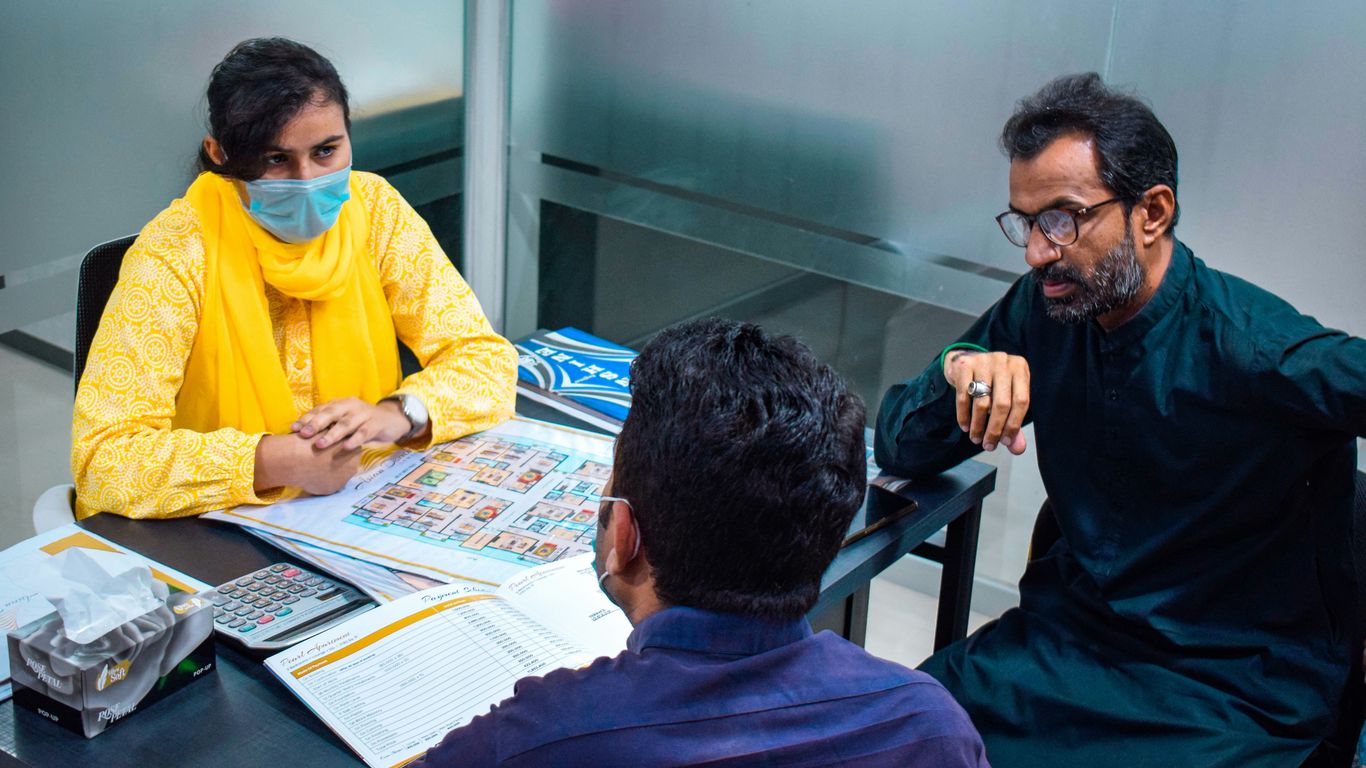
So, what exactly does a medical assistant do? It’s a question we hear a lot when people are thinking about starting a career in healthcare. We’re talking about professionals who are really the backbone of many medical offices, helping things run smoothly day in and day out. They bridge the gap between patients and doctors, handling a mix of tasks that keep a practice organized and efficient. It’s a role that requires a blend of technical skill and genuine people skills.
When we think about the clinical side, medical assistants are involved in direct patient care. This isn’t just handing instruments; it’s about taking vital signs like temperature, blood pressure, and pulse. They also help doctors with examinations, prepare patients for procedures, and sometimes even draw blood or administer injections, depending on state regulations and their specific training. They’re also responsible for keeping patient records accurate and up-to-date, which is a big deal in healthcare. Think of them as the first point of contact for many patient needs within the exam room.
But it’s not all about the clinical work. A huge part of the job involves administrative duties that keep the office running. This can include scheduling appointments, managing patient records, handling billing and insurance paperwork, and answering phones. They often greet patients when they arrive, making sure they feel welcome and comfortable. It’s about making sure the front desk is a well-oiled machine so that the clinical staff can focus on patient care without interruption. We’re talking about tasks that require organization and attention to detail.
Now, why is certification so important? While some roles might not strictly require it, getting certified really shows employers that you’ve met a certain standard of knowledge and skill. It’s a way to prove you’re ready for the job. Certification can open more doors for employment and often leads to better job prospects. It gives patients and employers confidence in your abilities. Plus, many healthcare facilities prefer or even require their medical assistants to be certified. It’s a step that can really set you apart in the job market.
So, you’re looking into online medical assistant programs. That’s a smart move, but not all programs are created equal. We need to make sure the one we pick is actually going to be recognized by employers and licensing bodies. It’s not just about getting a certificate; it’s about getting one that means something.
When a program is accredited, it means an outside group has looked at it and said, ‘Yep, this meets the standards.’ Think of it like a seal of approval. This is important because it tells us the curriculum is solid, the instructors know their stuff, and the school is legit. Without accreditation, your diploma might not be worth the paper it’s printed on when you start looking for jobs. Employers often won’t even consider candidates from unaccredited schools. It’s the first thing we should check.
There are a few main organizations that accredit medical assisting programs. The big one we usually see is the Commission on Accreditation of Allied Health Education Programs (CAAHEP). Another one is the Accrediting Bureau of Health Education Schools (ABHES). Sometimes, you might see others, but these two are the most common and widely respected in the healthcare field. It’s good to know these names so we can spot them.
Don’t just take the school’s word for it. We need to do our own homework. The best way to do this is to go directly to the accrediting body’s website. Both CAAHEP and ABHES have online directories where you can search for accredited programs. You just type in the school’s name, and it’ll tell you if they’re listed and if their medical assistant program is currently accredited. It’s a quick check that can save us a lot of trouble down the road.
It’s easy to get caught up in program costs or how quickly you can finish, but accreditation should be the deciding factor. A slightly longer or more expensive program that’s accredited is always a better investment than a cheap, fast one that isn’t.
Here’s a quick rundown of how to verify:
We want to make sure our education is top-notch, and accreditation is the clearest sign that it is.
So, you’re thinking about becoming a medical assistant, and the idea of learning online sounds good? We get it. Life’s busy, and fitting in classes can be tough. Online programs offer a way to get the training you need without uprooting your life. But how do you pick the right one and make it work for you? Let’s break it down.
Online programs aren’t all the same. Some are fully online, meaning you do everything from your computer. Others might be hybrid, which means you’ll do some coursework online but still need to attend some in-person sessions for labs or exams. Think about what fits your schedule and learning style best. Do you prefer to work completely on your own time, or do you need a bit of structure with set meeting times?
This is where the real work happens. Learning online gives you flexibility, but it also means you have to be disciplined. You’re the one in charge of making sure you get your assignments done and keep up with the material. It’s easy to let things slide when there’s no professor looking over your shoulder every day.
Here are a few tips that helped us:
It’s easy to think online learning means less work, but that’s usually not the case. You’re trading classroom time for self-discipline and time management. If you can master those, you’re already ahead.
Before you even start, make sure you have the right tools. You don’t need the fanciest setup, but a reliable computer and internet connection are non-negotiable. You’ll be downloading readings, watching lectures, submitting assignments, and maybe even taking online tests. A good webcam and microphone are also helpful, especially if your program has live sessions or requires video submissions.
When we look at online medical assistant programs, the curriculum is designed to give us a solid base for working in healthcare. We’re talking about the stuff that really matters for day-to-day tasks.
Most programs will cover the basics like anatomy and physiology, so we understand how the human body works. Medical terminology is also a big part of it; learning the language doctors and nurses use makes communication so much easier. We’ll also get into patient care basics, learning how to interact with patients safely and respectfully. Plus, there’s usually a good chunk on lab procedures, like how to draw blood (phlebotomy) or prepare samples for testing. These courses are the building blocks for everything else we’ll do. You can find programs that cover these topics in detail, giving you the foundational knowledge and practical skills needed for a career as a medical assistant foundational knowledge and practical skills.
Beyond the technical stuff, these programs often focus on soft skills too. Things like communication are huge – we need to be able to talk clearly with patients and the healthcare team. Empathy is another one; understanding what patients are going through makes a big difference. Problem-solving comes up a lot too, as we might need to figure out quick solutions in a busy clinic. Time management is also key, especially when juggling multiple tasks.
While we’re learning online, many programs understand that medical assisting needs hands-on practice. They often arrange for practical labs where we can practice skills like taking vital signs or giving injections in a controlled setting. A really important part is the externship. This is where we get to work in a real clinic or hospital for a set period. It’s our chance to apply what we’ve learned, get real-world experience, and see what a typical day looks like. It’s usually a requirement before graduation.
Getting through the coursework is one thing, but the externship is where it all clicks. It’s a bit nerve-wracking at first, but it’s the best way to build confidence and make connections before we start looking for jobs.
So, you’ve finished your accredited online medical assistant program. That’s a huge step! Now comes the part where we actually get you into a job. It’s not just about having the certificate; it’s about showing potential employers why you’re the right person for the role. We need to get your application materials in order and start looking for openings.
Your resume is your first impression, so we want it to be good. Think of it as a highlight reel of your skills and training. We’ll want to list your education clearly, especially that medical assistant program you just completed. Don’t forget to include any relevant coursework or specific skills you picked up, like taking vital signs or using electronic health records (EHRs). We should also mention any volunteer work or previous jobs, even if they weren’t in healthcare, as they can show you have a good work ethic.
Sometimes, the best jobs aren’t advertised everywhere. That’s where networking comes in. We should start talking to people. Reach out to instructors from your program; they often have connections. Connect with people working in local clinics or hospitals. Even attending local healthcare job fairs can be a good way to meet people and learn about openings before they’re widely posted. Don’t be shy about letting people know you’re looking for a medical assistant position.
Building connections can open doors you didn’t even know existed. It’s about letting people know you’re ready and eager to start your career.
Once you get an interview, we need to be ready. Practice answering common interview questions. Think about how you’d respond to questions about why you want to be a medical assistant, how you handle stress, or how you work with different types of patients. We should also prepare some questions to ask the interviewer. This shows you’re engaged and serious about the role. Remember to dress professionally, arrive on time (or log in early for a virtual interview), and send a thank-you note afterward. Showing professionalism goes a long way in healthcare.
Getting ready to start your journey as a medical assistant? It’s an exciting time! Make sure you’re fully prepared for your new career. Visit our website today to find helpful resources and tips to launch your medical assistant career successfully.
So, we’ve talked about how to find those accredited online medical assistant programs. It might seem like a lot at first, but remember, taking that first step is the hardest part. We’ve laid out some good ways to check if a program is legit and what to look for. Think about what you want from your training and your future career. Once you find the right fit, you’ll be on your way to a rewarding job in healthcare. We’re excited for you to get started!
We help doctors and nurses with many tasks! This can include things like taking patient vital signs (like temperature and blood pressure), helping with exams, giving shots, and keeping patient records tidy. We also handle phone calls and schedule appointments, making sure the office runs smoothly.
Accreditation is like a stamp of approval that shows a program meets high standards for quality. It means the education we get is good and will be respected by employers. Many jobs require that our training comes from an accredited school.
We need to check who gave the program its accreditation. There are official groups that give these approvals, like the Commission on Accreditation of Allied Health Education Programs (CAAHEP) or the Accrediting Bureau of Health Education Schools (ABHES). We can usually find this information right on the school’s website or by contacting the accrediting body directly.
We’ll learn about medical terms, how the human body works, and how to give basic patient care. We’ll also study how to manage medical records, handle billing, and use common office software. Some programs include learning about important patient communication skills too.
Yes, they do! While we learn a lot online, most good programs include a part where we get real-world experience. This often means doing an internship or externship at a doctor’s office or clinic, where we practice what we’ve learned under supervision.
After we finish, we should create a great resume that highlights our new skills and any experience we gained. We should also practice for interviews by thinking about common healthcare questions. Reaching out to people already working in healthcare can also open doors to job opportunities.