
Finding the right person to create your 3D models can feel like a big task, especially when you’re not a 3D artist yourself. We’ve all been there, staring at a project brief and wondering how to even start looking for someone who can bring our vision to life. This guide is here to help make the 3D modeler hire process much simpler. We’ll walk through how to figure out what you need, where to look, and how to pick the best candidate for your project.
Before we even think about finding a 3D artist, we need to get really clear on what we actually need. It sounds obvious, but skipping this step is a fast track to confusion and wasted money. We’ve got to nail down the specifics of our project first.
What exactly are we trying to make in 3D? Is it a character for a game, a product prototype for manufacturing, or maybe an architectural visualization? The end goal shapes everything. We need to list out every single thing we expect to get at the end. This means thinking about the final format – will it be a high-poly model for rendering, a low-poly model optimized for real-time use, or something else entirely? Being super specific now saves us headaches later. Think about the level of detail required. Do we need every tiny screw modeled, or is a general shape good enough? For example, if we’re making a prop for a video game, we’ll need to consider polygon counts and texture maps. If it’s for 3D printing, we’ll need watertight meshes. It’s all about matching the model to its intended use.
3D modeling isn’t one-size-fits-all. There are different looks and techniques. Are we going for a realistic style, something cartoony, or maybe a stylized look? This decision impacts who we hire and how they approach the work. For instance, a character artist who excels at realistic anatomy might not be the best fit for a project needing a low-poly, stylized aesthetic. We should look at examples of styles we like and try to describe them. Sometimes, just pointing to a reference image is the easiest way to communicate this. We want to make sure the artist’s portfolio shows they can handle the aesthetic we’re aiming for.
This is where we get into the nitty-gritty. What are the technical demands of our project? We need to think about:
Here’s a quick table to help organize some of this:
| Specification | Requirement |
|---|---|
| Target Platform | PC Game / Mobile Game / Animation / 3D Print |
| Max Polygon Count | 50,000 tris |
| Primary File Format | .FBX |
| Texture Resolution | 2K |
| Units | Centimeters |
Getting these technical details sorted upfront helps us find a modeler who has the right skills and understands the constraints of our project. It’s like giving them a blueprint before they start building. If we’re unsure about some of these, it’s worth doing a bit of research or asking someone with experience in the target platform, like looking into game asset requirements.
We need to be realistic about what’s achievable within our budget and timeline. Sometimes, a simpler model that works perfectly is better than an overly complex one that causes technical issues or goes way over budget. It’s a balancing act.
So, you’ve figured out what you need – great! Now, where do you actually find the people who can make it happen? It can feel like a big search, but we’ve found a few good spots.
These sites are pretty popular for a reason. You can post your project and get applications from modelers all over the world. It’s a good way to see a lot of different styles and price points quickly. Some platforms are more general, while others focus on creative work. We’ve had decent luck just putting our needs out there and seeing who responds. It’s worth checking out places like Contra if you want to see a curated list of professionals.
Beyond the big freelance sites, there are online communities specifically for 3D artists. Think forums, Discord servers, and social media groups dedicated to 3D modeling. People in these places are often passionate about their craft and might be looking for new projects. You can sometimes find hidden gems here who aren’t as active on the larger platforms. It’s a bit more digging, but the talent can be really top-notch.
Don’t forget about sites like LinkedIn. While it’s not strictly for freelance gigs, many 3D modelers have profiles there. You can search for people with specific skills or look at who’s worked at companies you admire. It’s a good way to find people who might be looking for more stable, longer-term work or who have a strong professional background. You can also ask for recommendations from people in your own network.
Finding the right person often involves looking in a few different places. Don’t just stick to one method; cast a wider net to increase your chances of finding someone who fits your project perfectly.
Here’s a quick look at some common places:
The key is to be persistent and look where the artists themselves hang out. It might take a bit of time, but finding the right 3D modeler is totally doable with a bit of effort. We’ve found that looking at various platforms can give you a good overview of where to start.
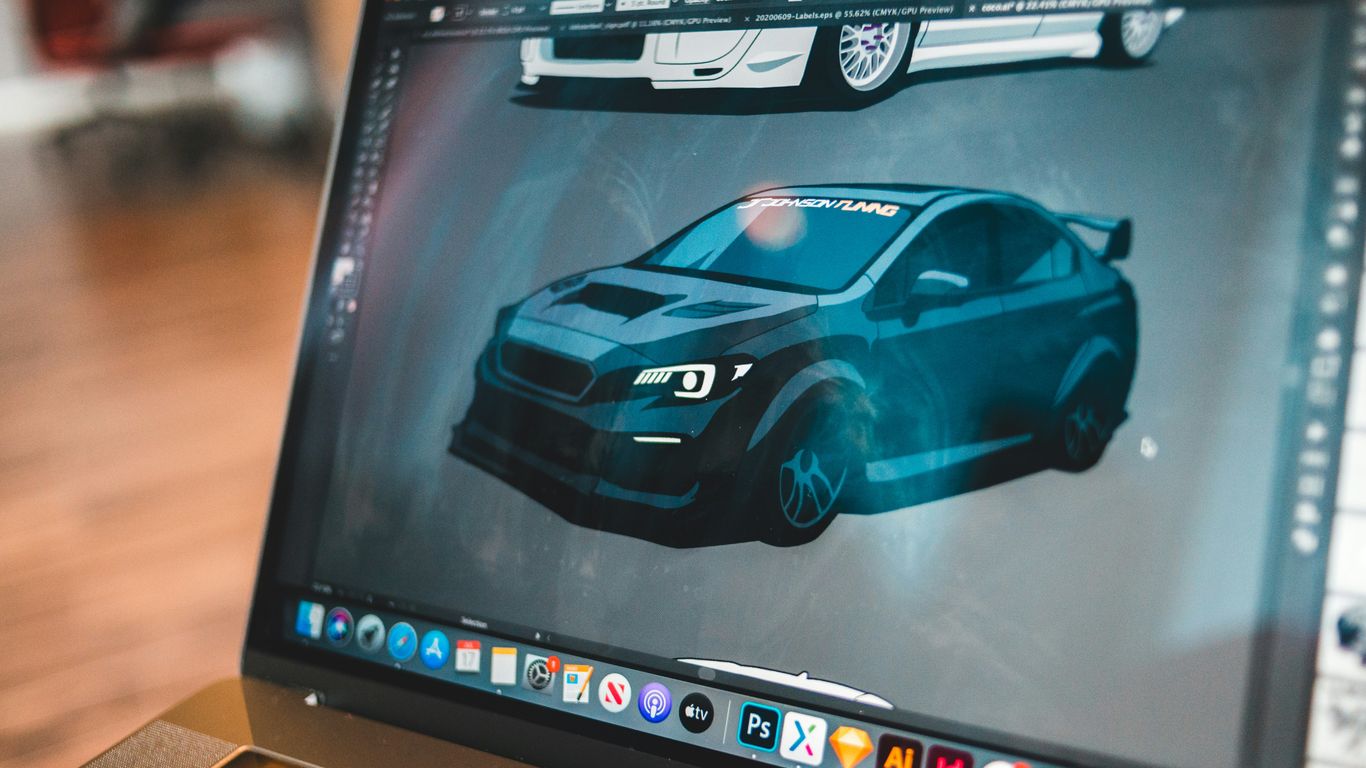
So, you’ve found a few potential 3D modelers. Great! Now comes the part where we really dig into their work. A 3D artist portfolio is a professional showcase of an artist’s top work. It provides recruiters with a clear view of their skills, artistic styles, and creative inspirations. This is where we see if their past projects match what we need. It’s not just about pretty pictures; it’s about seeing if they can actually do the job we have in mind.
First off, we look at the overall quality. Are the models clean? Do they have good topology, especially if they’re meant for animation or games? We want to see that the modeler pays attention to detail. A portfolio should show a consistent level of quality across different pieces. If one piece looks amazing and the next is a bit rough, that’s a red flag. We’re looking for someone who can maintain a high standard, not just hit it once in a while. Think about it: if their best work is only a few pieces out of many, what does that say about their average output?
Next, we check if their past work aligns with our project. If we need realistic architectural models, a portfolio full of stylized characters might not be the best fit, even if the character models are good. We want to see examples that are similar to what we’re asking for. This doesn’t mean they have to have done the exact same thing before, but there should be some overlap in style, complexity, or the type of assets created. For instance, if we need props for a historical game, seeing a few well-done historical props in their portfolio is a big plus. It shows they understand the nuances of that kind of work. This is where you can really see if they have a clear path for beginners to establish themselves in the industry.
Beyond just how the models look, we need to understand the technical side. Does the portfolio mention the software they used? Are they proficient in the tools we require, like Blender, Maya, 3ds Max, or ZBrush? Sometimes, portfolios will include breakdowns of their process, showing wireframes, UV layouts, or texture maps. This gives us a peek into their workflow and technical ability. We’re looking for someone who not only has an artistic eye but also the technical chops to create models that are functional for our specific needs. This might involve understanding polygon counts, texture resolutions, and optimization techniques, especially if the models are for real-time applications.
When reviewing a portfolio, try to imagine each piece being used in your project. Does it fit the aesthetic? Does it seem technically sound for its intended purpose? This practical approach helps filter out work that might look good but isn’t actually suitable.
Here’s a quick checklist we often use:
Looking at a portfolio is like getting a preview of the work they’ll do for us. It’s our best chance to gauge their capabilities before we commit.
So, you’ve sifted through portfolios and found some promising candidates. Now comes the part where we really get to know them: the interview. This isn’t just about asking a few questions; it’s about figuring out if they’re the right fit for your project’s vibe and technical needs. We want to make sure they can actually do the work and that we can work together without too much friction.
This is where we separate the talkers from the doers. We need to know if they’ve got the chops. Don’t just ask if they know "software X"; ask them how they use it. For instance, "Can you walk me through your process for creating a complex asset, say, a character with intricate armor?" We want to hear about their workflow, the tools they prefer within the software, and why. It’s also smart to ask about their experience with different modeling techniques. For example, "When would you choose polygonal modeling over NURBS, and what are the trade-offs?" This shows us they understand the why behind their methods, not just the how. We also want to gauge their familiarity with common industry challenges. A good question might be, "How do you approach optimizing a model for real-time performance in a game engine?" This gets at their understanding of practical application. We’ve found that asking about specific software features can also be telling. For instance, "Describe a time you used [specific software feature, e.g., ZBrush’s Dynamesh] to solve a modeling problem." This helps us understand their practical problem-solving skills with the tools they use daily. We’re looking for clear, detailed answers that demonstrate real experience, not just textbook knowledge. You can find some great starting points for technical questions in resources that cover 3D rendering interview questions.
Beyond the technical stuff, how they work and communicate is just as important. We need to know if their process aligns with ours. Ask them about their typical project workflow from start to finish. "What does your day-to-day look like when you’re working on a project?" is a simple but effective opener. We also want to understand how they handle feedback. "How do you prefer to receive feedback on your work?" is key. Some people like detailed notes, others prefer a quick call. Knowing this upfront saves a lot of headaches later. Communication is a two-way street, so ask them how they keep clients updated. "What methods do you use to communicate progress and potential roadblocks?" is a good one. We want someone who is proactive and keeps us in the loop. It’s also helpful to ask about their availability and how they manage their time, especially if they’re juggling multiple projects. A question like, "How do you prioritize tasks when you have competing deadlines?" can reveal a lot about their organizational skills.
Projects rarely go exactly as planned. Things come up, and we need to know our modeler can handle unexpected issues. Present them with a hypothetical problem related to your project. For example, "Imagine we’re halfway through the project and realize a key asset needs a significant design change. How would you approach that situation?" We’re looking for their thought process, not necessarily a perfect solution. Do they ask clarifying questions? Do they consider the impact on the timeline and budget? Do they suggest alternative solutions? We also want to see if they can think critically about their own work. Ask them, "Tell me about a time a project didn’t go as planned and what you learned from it." This shows self-awareness and a willingness to grow. It’s also good to understand how they handle creative differences. "If a client’s vision for a model differs from your initial interpretation, how do you navigate that?" can tell us a lot about their collaborative spirit and ability to compromise. Ultimately, we want to hire someone who is not just skilled, but also a good problem-solver and a reliable team member.
We’re not just hiring someone to push polygons; we’re bringing on a partner for a specific part of our creative journey. Their ability to adapt, communicate, and solve problems is just as vital as their technical skill.
Alright, so you’ve found a great 3D modeler. Awesome! But before you get too excited and start picturing your finished project, we need to talk about making sure everyone’s on the same page. This is where setting clear expectations and getting a solid contract in place becomes super important. It’s not about being distrustful; it’s about preventing misunderstandings down the road. A well-defined agreement protects both you and the artist.
First things first, what exactly do you need? Be specific. Is it a single character model, a whole environment, or maybe a series of props? Break it down. For example, if you need a character, list out details like polygon count limits, texture resolution, and whether it needs to be rigged. A clear scope means fewer surprises later.
We also need to nail down the timeline. When do you need the final model? It’s often helpful to break the project into smaller chunks with specific deadlines, or milestones. This way, you can check progress at different stages and make sure things are moving along as planned. It also gives the modeler a clearer path forward.
Here’s a simple way to think about it:
Money talk. How are you going to pay? Common methods include a fixed price for the whole project, an hourly rate, or a deposit upfront with the rest upon completion. If you’re going with an hourly rate, it’s wise to discuss an estimated number of hours to avoid sticker shock. For fixed-price projects, consider how you’ll handle scope creep – those little extra requests that can add up. You can find resources to help freelance animators confidently set their rates and create fair contracts here.
What exactly are you getting at the end? List the file formats (like .OBJ, .FBX, .STL), any specific software compatibility, and whether you need source files. This is your deliverable list. Make sure it matches what you discussed in the scope.
This can get a bit legal, but it’s vital. Who owns the final 3D model? Usually, once you pay for the work, you own the rights to the model. However, the artist might want to showcase the work in their portfolio. It’s good practice to clarify this upfront. Are you buying exclusive rights, or can the artist use it for self-promotion? Sometimes, artists might retain rights to the base mesh but you get rights to the final textured and rendered version. It’s best to have this clearly written down.
A contract isn’t just a formality; it’s a roadmap. It ensures that both parties understand their responsibilities, what’s expected, and how disagreements will be handled. This prevents awkward conversations and keeps the project moving smoothly towards a successful completion. Think of it as building the foundation for a good working relationship.
Remember, a clear contract and open communication are your best tools for a successful 3D modeling project. It sets the stage for a positive working relationship and helps ensure you get exactly what you envisioned. If you’re looking for opportunities, there are many freelance 3D designer positions available with competitive rates.
So, you’ve found your 3D modeler and signed the contract. Great! But the job isn’t done yet. Keeping things running smoothly from here on out is key to getting the results you want without a ton of headaches. It’s all about good communication and clear direction.
Giving feedback can feel a bit tricky sometimes, right? We want to be honest without discouraging our modeler. The best way to do this is to be specific. Instead of saying "I don’t like it," try "Could we make the edges of this object a bit sharper?" or "This texture looks a little too smooth; maybe we can add some wear and tear to it?" Pointing out exactly what needs changing helps them understand and fix it faster. Remember, feedback is a tool for improvement, not criticism.
Regular check-ins are super important. We don’t want to wait until the last minute to find out there’s a problem. Setting up a schedule for updates, maybe a quick chat every couple of days or a daily email summary, can make a big difference. This way, we can catch any issues early and keep the project moving. Tools that allow for real-time collaboration can be a lifesaver here, letting everyone see progress and make comments as things happen.
Revisions are a normal part of the 3D modeling process. It’s rare that the first draft is absolutely perfect. When you need changes, make sure your requests are clear and consolidated. Sending a single, detailed list of revisions is much better than sending multiple small requests over time. This helps the modeler prioritize and avoid confusion. We also need to be clear about how many rounds of revisions are included in the agreement to avoid scope creep. For complex projects, having a clear way to visualize and discuss changes can prevent misunderstandings.
It’s easy to get caught up in the details, but always keep the overall project goals in mind when reviewing work. Does this model serve its purpose? Does it fit the aesthetic we’re going for? Sometimes a small detail might not be worth the time and cost to change if it doesn’t impact the final outcome significantly.
So, we’ve gone over how to find the right 3D modeler for your project. It might seem like a lot, but taking the time to look at portfolios, talk about the details, and check references really pays off. We don’t want you to end up with something that doesn’t quite hit the mark, right? By following these steps, we’re pretty sure you’ll find someone who can bring your vision to life without too many headaches. Good luck with your next project!
Before we even start looking for someone, we need to be super clear about what we want them to make. What exactly do we need the 3D model for? What should it look like, and what files do we need them to give us in the end? Knowing this helps us find the right person for the job.
We can find talented folks on websites where people offer freelance services, like Upwork or Fiverr. There are also special online places where 3D artists hang out and show their work, like ArtStation. Sometimes, just asking people we know in the business or checking out professional sites like LinkedIn can lead us to great candidates too.
We should look closely at their past projects, called a portfolio. Does their work look good and is it always high quality? Have they made things similar to what we need before? We also need to see if they know the computer programs and techniques required for our project.
We should ask about how they do their work, like what steps they take to create a model. We need to know how they’ll talk to us during the project and how they handle problems if they pop up. Asking about their experience with similar projects is also smart.
It’s really important to write down exactly what we expect, like the finished look, how long it will take, and any deadlines for different parts of the work. We also need to agree on how and when we’ll pay them, and who owns the final 3D model.
We need to give them clear feedback on their work, telling them what we like and what needs changing in a helpful way. Keeping in touch regularly is key, and we should have a clear process for approving their work and handling any changes they need to make.